

I have hiked all three trails of the Triple Crown, walked the length of New Zealand on the Te Araroa, and spent thousands of nights out with a pack on my back, and I have watched hiking sandals go from a camp-shoe afterthought to legitimate footwear for long-distance hikers.
This guide is for backpackers, thru-hikers and bikepackers who want honest, field-tested picks, not lifestyle fashion. Sandals are not my everyday trail shoe, but they earn their place for river crossings, hot dry sections, and giving tired feet a rest at camp.
Some hikers love to use Hiking Sandals for backpacking, as a replacement for lightweight hiking boots, lightweight hiking shoes, or even minimalist shoes. Just add a pair of hiking socks and off you go. Backpacking with sandals places less of a burden on your feet compared with heavy boots.
My current top pick is the Bedrock Sandals Cairn EVO 3D, with the Xero Z-Trail EV as the best ultralight option and the Keen Newport H2 as the best closed-toe choice. The core trade-off is weight against protection and durability, which I cover it below. Jump to Quick Picks for the short list. For how I research and field-test gear, see the Gear Review Policy.
Quick Picks: Hiking Sandals
- Best overall: Bedrock Sandals Cairn EVO 3D – the sandal I reach for first, with genuine Vibram traction, a secure adjustable strap, and enough grip for rough trail as well as camp.
- Best closed-toe: Keen Newport H2 – full toe protection for rocky, rooty trail where an open toe gets punished; heavier, but bombproof.
- Best ultralight: Xero Z-Trail EV – barely there on the foot at around 10.8 oz per pair, ideal as a thru-hiker’s camp shoe and light enough to forget it is clipped to your pack.
- Most durable: Teva Hurricane XLT3 – the tougher, better-cushioned update to the XLT2 I have worn since the 90s; built to take a beating on sporting terrain and water.
- Best budget: Teva Universal – the classic strappy sandal at the lowest price that still lasts seasons; the one I keep coming back to for value.
- Best for stability: Chaco Z/2 Classic – the widest, most planted base here, with a toe loop that locks the foot; heavy, but rock-solid underfoot.
- Best Cushioning Backpacking Sandal: Chaco Z/Cloud – similar to the Z/2 Classic but the extra weight is all the cushioning that serve to make the sandal more comfortable.
- Best Classic Water Sandal: Teva Terra Fi5 Universal – the classic sandal for hiking in or near water.
- Best Lightweight Closed Toe Sandal: Keen Clearwater CNX – a closed toe sandal without the weight of the Newport H2.
How We Tested
The hiking sandals in this guide are researched and, where possible, field-tested by an experienced long-distance hiker and former outdoor store manager. Across thru-hikes, shoulder-season trips, and bikepacking trips, I judge hiking sandals on traction and grip, packability and weight, water performance and drying, durability, comfort and fit, and value for serious backpacking. Some of the items were supplied by the manufacturer and some were purchased by the author for this review. For more on how we research and review gear, see the BikeHikeSafari Gear Review Policy.
Follow along on Social Media
Backpacking Sandals Buyers Guide
| Brand | Weight (per pair) | Closed Toe |
|---|---|---|
| Bedrock Sandals Cairn EVO 3D | 1 lb 1 oz | No |
| Keen Newport H2 | 1 lb 12.4 oz | Yes |
| Xero Z-Trail | 10.8 oz | No |
| Teva Hurricane XLT3 | 1 lb 4.5 oz | No |
| Chaco Z/2 Classic | 1 lb 7 oz | No |
| Chaco Z/Cloud | 1 lb 14 oz | No |
| Teva Universal | 1 lb 4 oz | No |
| Teva Terra Fi5 Universal | 1 lb 12.5 oz | No |
| Keen Clearwater CNX | 1 lb 4 oz | Yes |
Best Hiking Sandals 2026: Detailed Reviews
Best Lightweight Hiking Sandal Overall
Bedrock Sandals EVO Cairn EVO 3D

Weight per pair: 1 lb 1 oz / 482 grams
Pros:
> Substantial grip.
> Minimal design keeps things comfortable.
> Easily repaired or to have parts replaced.
Cons:
> Wears over time.
This is my current top pick and the one I reach for first. The minimalist design keeps things comfortable and there is far less rubbing than with bulkier sandals, so blisters and sensitive skin stay to a minimum on long days.
The Vibram sole grips well even on muddy terrain, which is where a lot of sandals wash out. It suits thru-hikes, hot dry sections, and river crossings where you want a secure, quick-draining sandal that still walks well on trail rather than just around camp. The three-strap system locks the foot without pressure points once dialled in, and the whole sandal can be repaired or resoled rather than binned, which matters on a long trail.
The trade-off is that the open thong takes a few days to get used to and the sole does wear over time, though Bedrock makes parts easy to replace.
Trade off: barefoot-style feel and durability versus a break-in period for the toe post.
Best for: thru-hikers and minimalist backpackers who want one sandal that does trail and camp.
Compare Prices:
Best Closed-Toe Hiking Sandal
Keen Newport H2

Weight per pair: 1 lb 12.4 oz / 805 grams
Pros:
> Clever design means more traction.
> Very comfortable.
> Designed to last
> Can be used as a replacement for shoes or boots
Cons:
> Heavy
> Not cheap
The Newport H2 is the sandal I recommend when toe protection matters more than grams. The clever closed-toe design gives you the traction and protection closer to a shoe, and it is very comfortable straight out of the box with a soft insole, soft polyester webbing, and a wide toebox.
I have used and tested these sandals more than any other in this review. Having kicked a rock with closed-toe hiking sandals, I found the Keen Newport very good for toe protection, and I prefer a closed-toe sandal over an open-toe one on rooty, rocky trail. It handles all but the muddiest trails, the hydrophobic mesh lining drains and dries, and the whole sandal is machine washable and built not to crack or absorb water.
The obvious trade-off is weight, this is one of the heavier sandals here. I have been long term testing these sandals for several years and they still look new despite hundreds of miles of use, have said that, some owners report popped stitching and frayed webbing over time, so inspect the seams. They are my favorite sandals but the extra weight prevents tham from taking the top spot in this review.
Trade off: full protection and comfort versus significant weight.
Best for: hikers who want closed-toe protection for rough trail and river work.
Compare Prices:
Best Ultralight Hiking Sandals
Xero Z-Trail EV
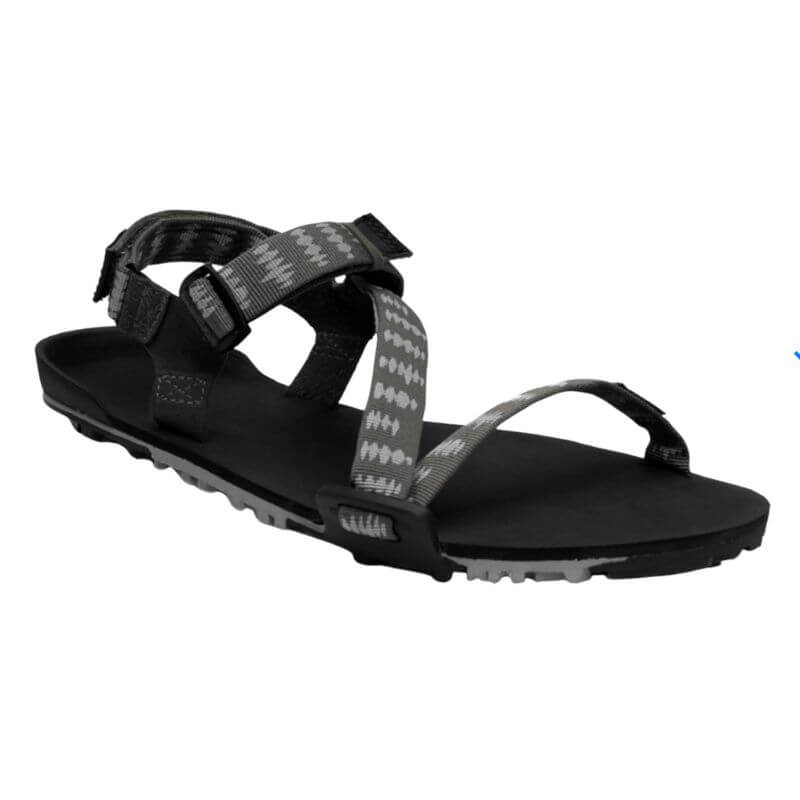
Weight: 10.8 oz / 306 grams
Pros:
> Flexible design gives grip.
> Soft foam for maximum comfort.
> Flexible design also makes it durable
Cons:
> Not as durable as some of the other sandals in this review.
If your priority is weight, the Z-Trail EV is the lightest genuine hiking sandal here and my pick as an ultralight thru-hiker’s camp shoe. The hardened rubber outer clings to rock and trail, and the remarkably flexible three-layer sole with a foam top layer keeps comfort high while packing down almost to nothing. The straps cross the foot to spread pressure, which means less chance of sore skin or blisters over long days.
It is not as durable as the burlier sandals here, the edges near the toes can show wear, there is zero arch support, and the foot can feel slippery when wet, so it rewards careful footwork on rocky ground.
Trade off: minimal weight and packability versus support and long-haul durability.
Best for: ultralight backpackers and thru-hikers who want a near-weightless camp and crossing shoe.
Compare Prices:
Most Durable Backpacking Sandal
Teva Hurricane XLT3
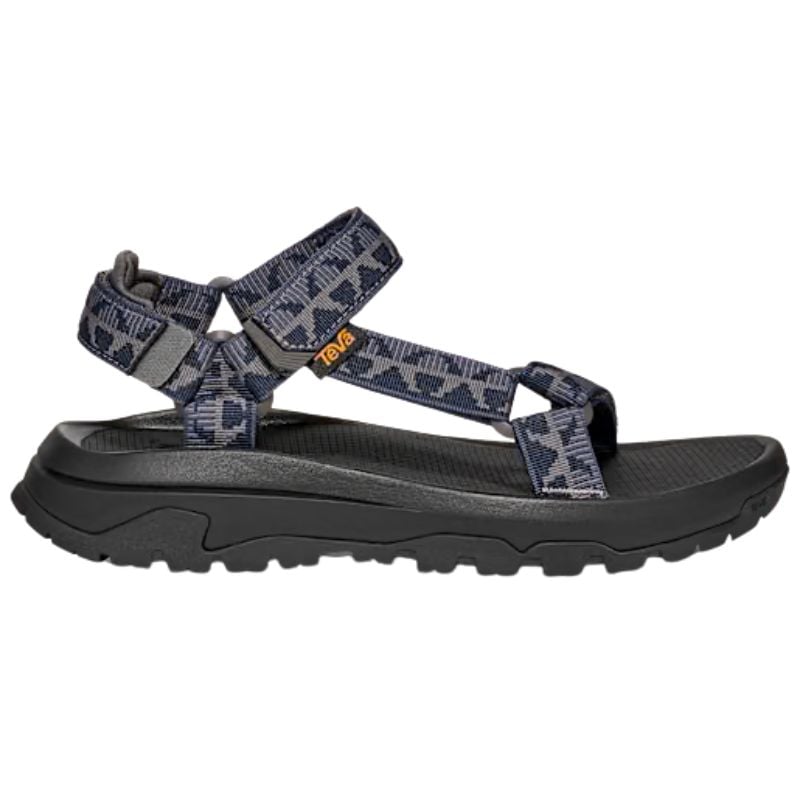
Weight per pair: 1 lb 4.5 oz / 581 grams
Pros:
> Increase in outsole equals an increase in traction.
> Extra cushions for comfort.
> Strong material added for extra durability.
Cons:
> Can get smelly
Teva is one of the original sandal brands and I have been wearing Tevas since the early 90s, so this is the model I trust when durability comes first. The XLT3 is the current update to the XLT2, and the main change is more cushioning, Teva added a softer, better-shock-absorbing midsole, so it is noticeably comfier underfoot straight out of the box.
It keeps the aggressive outsole and strong traction on slippery and uneven surfaces that made the XLT2 one of the toughest sandals around, with good flexibility and a cushioned heel. The extra padding made it around 2 oz heavier than the previous model XLT2, the price rose to about $100, and like most sandals in this review it can get smelly with heavy sweat.
Trade off: more comfort and cushioning versus added weight and cost.
Best for: hikers who want a rugged, well-cushioned sandal for sporting terrain and water.
Compare Prices:
Best Stable Hiking Sandal
Chaco Z/2 Classic
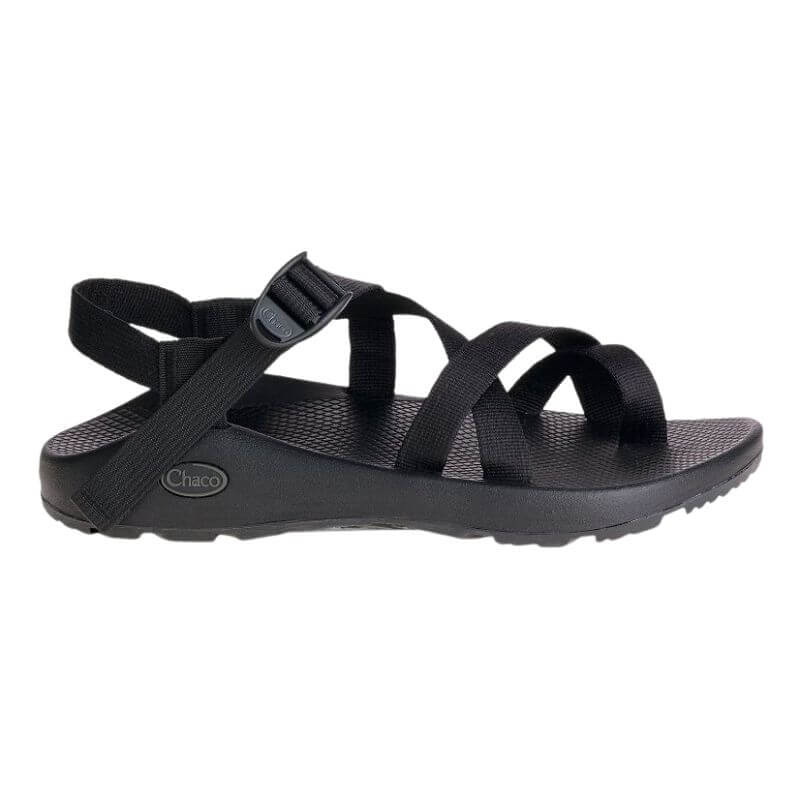
Weight: 1 lb 7 oz / 652 grams
Pros:
> Stable with good traction
> Durable
Cons:
> Might take a while to get used to the fit.
The Z/2 is the most planted, stable sandal here and the one I recommend when you want maximum support underfoot. Chaco builds for practicality above all, with a hard-plastic outsole, siping that boosts traction, a wide base, and secure straps that make it incredibly stable underfoot. The toe loop locks your foot so it does not slide through the sole on descents.
The hard sole offers little comfort to fresh feet and takes a while to break in, the toe strap around the big toe can be uncomfortable at first, it slips a little on loose gravel, and it cannot be resoled. It is heavy.
Trade off: stability and a contoured arch versus significant weight and a break-in period.
Best for: hikers who want the most supportive sandal for shorter trails and camp, or anyone who dislikes flat minimalist soles.
Compare Prices:
Best Cushioning Backpacking Sandal
Chaco Z/Cloud
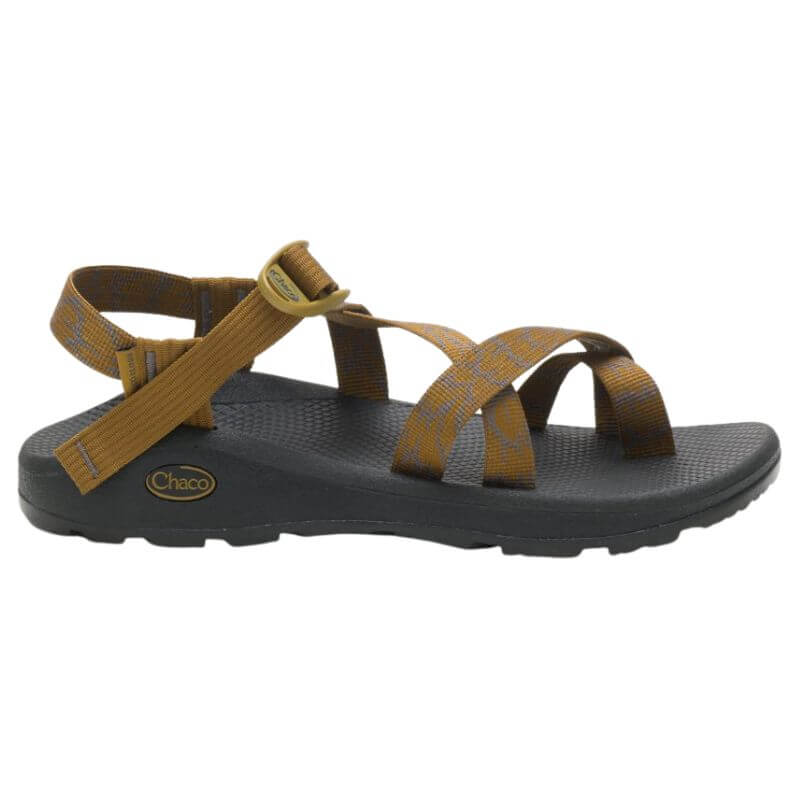
Weight: 1 lb 14 oz / 850 grams
Pros:
> Good grippy sole
> Very durable
Cons:
> Not comfortable for everyone, might take a while to get used to.
> Heavy
The Z/Cloud is the Z/2 with a softer top layer, aimed at hikers who want Chaco’s grip and stability with more cushioning. The grip is fantastic and the wide base gives ample support, while the added cushion on top makes it easier on the feet than the firmer Z/2. It shares Chaco’s outstanding dedication to durable footwear, so it will outlast most of what is here.
It is heavy, and the fit is not comfortable for everyone straight away.
Trade off: extra comfort versus even more weight than the already-heavy Z/2.
Best for: day hikers and campers who want Chaco stability with more cushioning.
Compare Prices:
Best Budget Hiking Sandals
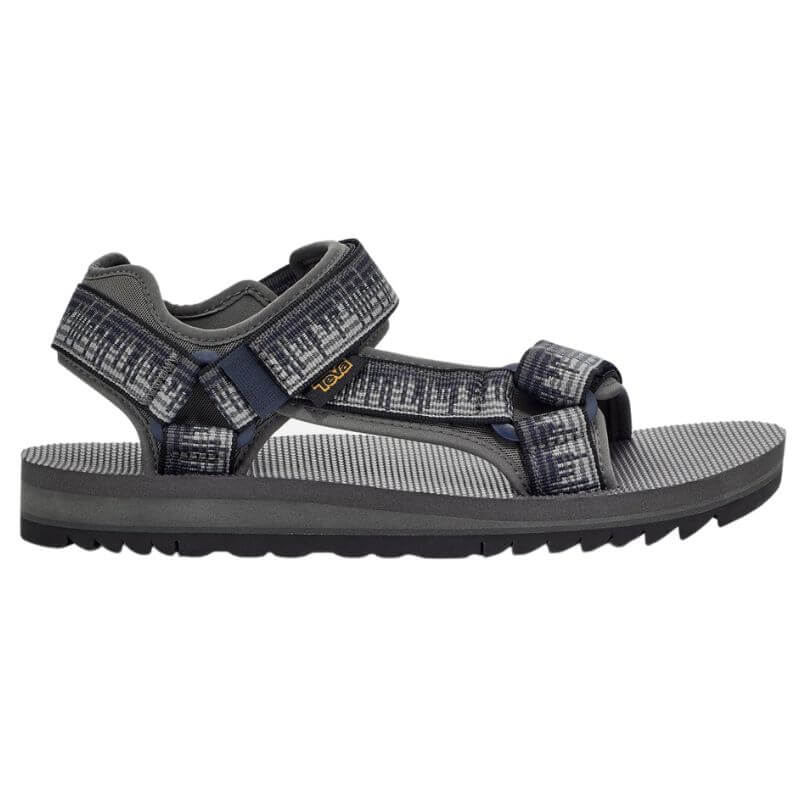
Teva Universal
Weight: 1 lb 4 oz / 567 grams
Pros:
> Strong base for traction.
> Designed for comfort.
> Designed to endure multiple environments.
Cons:
> Can get smelly.
The Original Universal is the best value sandal here and the one I keep coming back to. Teva’s strong rubber base grips well and does not slip easily on most surfaces, and I have used the Universal line for more than 15 years, that is how durable it is, they just work and last a long time. The robust, slightly springy insole handles hiking, kayaking, and camp duty, and it has shrugged off blistering sidewalk heat and muddy trails without issue.
The recycled-polyester straps and anti-odor treatment are welcome touches at this price. It is not as technical as the burlier sandals here, and like most strappy sandals it can get smelly.
Trade off: low price and proven durability versus less aggressive traction and support.
Best for: hikers who want a dependable, do-everything sandal at the lowest price.
Compare Prices:
Best Classic Water Sandal
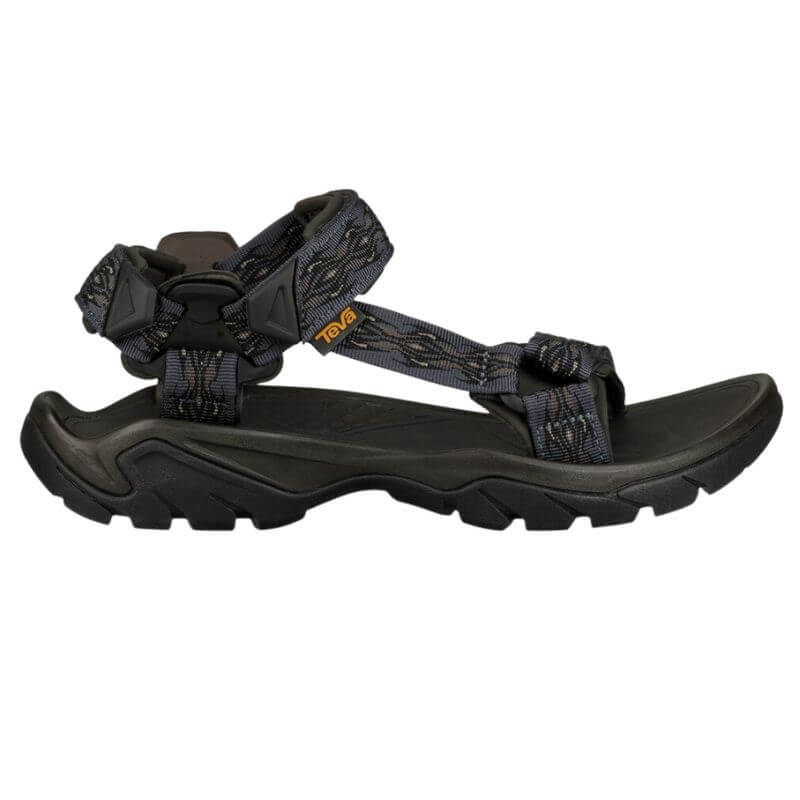
Teva Terra Fi5 Universal
Weight per pair: 1 lb 12.5 oz / 808 grams
Pros:
> Traction even in heavy conditions.
> Retained its comfort.
> Sturdy enough to last
Cons:
> Can get a bit smelly if you sweat too much.
The Terra Fi5 is the upgrade to the Universal for hikers who want more sandal underfoot. Teva increased the outsole size for more aggressive trekking, which improves traction and support, while keeping the same springy, molded insole that makes the Universal comfortable. The water-friendly polymer and added rubber outsole make it resistant to water damage and sure-footed on slippery or uneven terrain, so it doubles as a solid travel sandal.
It is heavier than the Universal and, again, can get a bit smelly if you sweat hard.
Trade off: more support and traction versus more weight than the standard Universal.
Best for: hikers who want a more supportive, all-terrain version of the classic Teva.
Compare Prices:
Best Lightweight Closed Toe Sandal
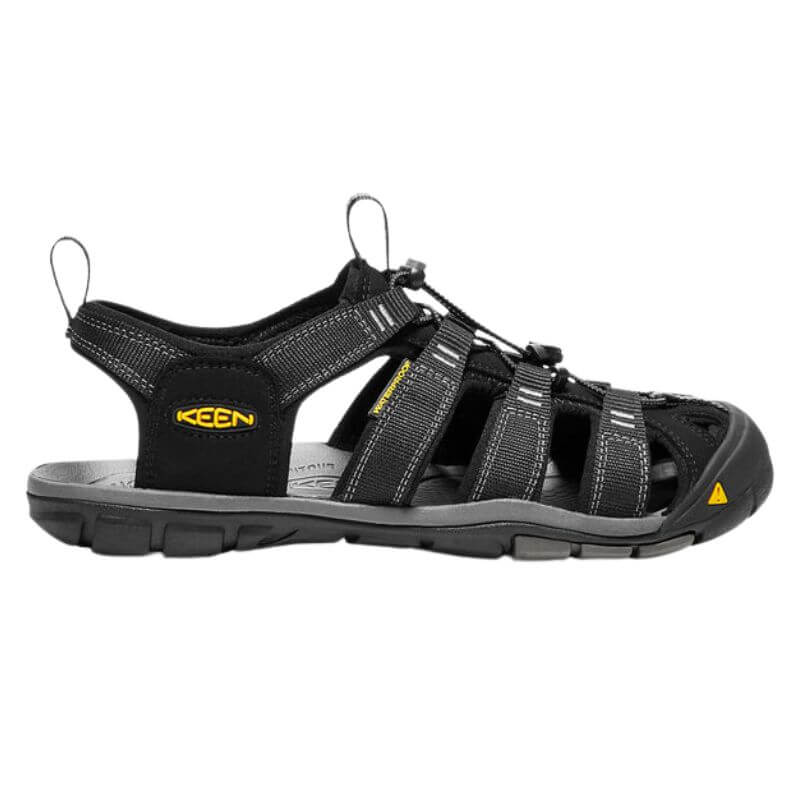
Keen Clearwater CNX
Weight per pair: 1 lb 4 oz / 567 grams
Pros:
> Slim, but grip heavy.
> Comfortable with adjustments.
> Still as durable as the Newport.
Cons:
> Requires adjustment.
The Clearwater CNX is a lighter, more streamlined take on the Newport, and a good pick if you like Keen’s closed-toe protection but want less bulk. Keen trimmed material from the straps and toe area, so it is slimmer and lighter than the Newport while keeping a robust outsole with good grip.
It runs slightly tighter and narrower than the Newport, and it needs a little adjustment to dial in the fit. Durability is on par with the Newport, so it should last.
Trade off: lighter and slimmer versus a narrower fit and less cushioning than the Newport.
Best for: hikers who want closed-toe protection in a lighter package.
Compare Prices:
Hiking Sandals Buyers Guide
Hiking Sandals Buyers Guide
Traction and Sole Grip
Traction is the first thing I judge on a hiking sandal, because a slip on wet rock or a loose descent is where sandals get people into trouble.
Look for a genuine outsole rubber compound with defined lugs, Vibram on the Bedrocks, ChacoGrip on the Chacos, Spider Rubber on the Tevas.
Deeper, more widely spaced lugs shed mud and bite on loose ground, while flatter minimalist soles like the Xero grip well on dry rock but feel skittish when wet. Siping (small cuts in the rubber) genuinely helps on slick surfaces, which is why the Keen and Chaco soles handle water better than they look.
If most of your miles involve mud, river rock, or slabs, prioritise a lugged Vibram or Contagrip sole over a smooth minimalist one.

Comfort, Arch Support and Sock Use
Comfort is what lets you wear sandals mile after mile without a blister ending your day. Footbeds range from firm and supportive (Chaco’s contoured LUVSEAT arch) to soft and cushioned (Teva’s EVA, Chaco Z/Cloud) to flat and minimalist (Xero, Bedrock).
If you have flat feet or want arch support, lean toward the Chaco or a Teva with a molded footbed; I have flatish feet and have used orthotics in the past, and I find a contoured footbed makes a real difference on long days.
Minimalist soles reward strong feet but offer little support. Many thru-hikers wear socks with sandals in cool weather or at camp to prevent cold feet and rubbing, and minimalist strappy sandals take socks well.

Weight vs Durability
This is the central trade-off for hikers. Ultralight sandals like the Xero Z-Trail EV (around 10.8 oz per pair) or the Bedrock Classic LT save real weight and pack down small, which matters when the sandal is a secondary shoe clipped to your pack.
But that weight comes from thinner soles and less material, so they wear faster and offer less protection. The burly end, Chaco Z/2, Keen Newport, weighs close to two pounds a pair but will take years of abuse and resoling.
For a thru-hike where the sandal is a camp and crossing shoe, go light. If the sandal is your primary hiking footwear or you are hard on gear, accept the weight for durability.

Open Toe vs Closed Toe
Open-toe sandals (Bedrock, Chaco, Teva) breathe better, drain faster, and shed sand and grit more easily, which is why they dominate water and hot-weather use. The cost is protection: an exposed toe gets punished on rooty, rocky trail, and I have kicked enough rocks to prefer a closed toe on technical ground.
Closed-toe options like the Keen Newport H2 give you toe-bumper protection close to a shoe, at the price of extra weight and slower drying. Match the choice to your terrain: open for hot, sandy, wet-and-fast; closed for rocky, rooty, or protective needs.
Straps, Fit and Adjustability
A sandal lives or dies on its strap system, because it is the only thing keeping the sole under your foot on a descent or in a current. Look for straps you can adjust on the move, feet swell over a hiking day, and a design that locks the heel.
Bedrock’s three-strap Y system and Chaco’s continuous pull-through strap both lock the foot well; Keen uses a bungee cinch. Toe loops (Chaco Z/2, Bedrock) stop the foot sliding forward on steep downhill, which is worth getting used to. Velcro closures are quick but can clog with sand and waterlog. Try the fit with the socks you actually intend to wear.
Water Performance and Drying
If river crossings, paddling, or wet trails are part of your plan, drying speed and wet grip matter as much as dry-trail traction. Quick-draining uppers and hydrophobic linings (Keen’s mesh) shed water fast, while thicker webbing straps hold water and stay heavy.
A secure heel strap is non-negotiable in moving water, this is exactly why flip-flops are unsafe for crossings. For serious, repeated water work, a closed-toe hybrid with a burly wet-grip outsole is the safest choice; for occasional fords, most of the sandals here work fine.
Women’s Hiking Sandals
Women’s Hiking Sandals and Men’s Hiking Sandals are similar. All the best sandals for hiking that are in this have either unisex or women’s versions.
Sandals for Thru-Hiking vs Camp Use
Be honest about the job the sandal has to do. As a camp shoe, almost anything light works, the priority is low weight and packability, and even foam shoes will do.
As primary thru-hiking footwear, you need real traction, a secure strap system, and enough sole to protect your feet over big daily miles; plenty of people have completed the PCT, AT, and CDT in Bedrocks, Lunas, and Xeros, replacing traditional footwear entirely.
If the sandal is your only shoe, prioritise grip, strap security, and durability. If it is a backup for camp and crossings, prioritise weight.
Price and Value
You largely get what you pay for, but the cheapest options here are genuinely good value. The Teva Original Universal comes in around or below $65 and lasts seasons, which is why it is my budget pick.
Mid-range Bedrocks and Tevas ($70 to $125) buy you Vibram or Spider Rubber soles and repairability.
Premium picks like the Luna push past $110 for specialised wet-grip or ultralight performance. Factor in resoleability, Bedrock and Chaco repair programs stretch cost over years, whereas a cheaper sandal that cannot be resoled is a throwaway. For most backpackers, a mid-priced repairable sandal is the best long-term value.
Conclusion
Here are all the best hiking sandals for 2026:
- Best overall: Bedrock Sandals Cairn EVO 3D
- Best closed-toe: Keen Newport H2
- Best ultralight: Xero Z-Trail EV
- Most durable: Teva Hurricane XLT3
- Best budget: Teva Universal
- Best for stability: Chaco Z/2 Classic
- Best Cushioning Backpacking Sandal: Chaco Z/Cloud
- Best Classic Water Sandal: Teva Terra Fi5 Universal
- Best Lightweight Closed Toe Sandal: Keen Clearwater CNX
Follow along on Social Media
Frequently Asked Questions
Can you thru-hike in hiking sandals?
Yes. Plenty of hikers have completed the PCT, AT, and CDT entirely in sandals, most often Bedrocks, Lunas, or Xeros. Success comes down to strong feet, a secure strap system, and choosing a sandal with real traction rather than a camp-only foam shoe. Most people transition gradually and add socks in cold or wet conditions.
What is the best ultralight hiking sandal for backpacking?
For a near-weightless camp and crossing shoe, the Xero Z-Trail EV at around 10.8 oz per pair is my pick. If you want something light that still walks well on trail rather than just around camp, the Bedrock Classic LT is the better all-rounder.
Are open-toe or closed-toe hiking sandals better?
It depends on terrain. Open-toe sandals breathe, drain, and shed sand better, which suits hot and wet conditions. Closed-toe sandals like the Keen Newport H2 protect your toes on rocky, rooty trail at the cost of extra weight and slower drying. I prefer closed-toe on technical ground.
Should you wear socks with hiking sandals?
Usually there is no need, and socks can attract grit and seeds. But in cool weather or at camp, socks add warmth and reduce rubbing, and many thru-hikers use minimalist strappy sandals with socks specifically for this reason.
Do hiking sandals give enough support for long distances?
Some do. Firmer, contoured sandals like the Chaco Z/2 Classic feel closer to a hiking shoe, while minimalist models like the Xero or Bedrock offer little arch support and reward strong feet. If you have flat feet or want support, choose a molded or contoured footbed, or add orthotics.
Which are better, hiking boots or hiking sandals?
It depends on the terrain. For boggy ground or trail where objects can injure exposed feet, boots win on protection. For coastal, hot, or river-heavy routes, sandals are lighter, cooler, and drain fast. Many hikers carry both and switch based on conditions.
How do I stop hiking sandals from smelling?
Rinse them after wet or sweaty use, let them fully air-dry out of direct heat, and wear them without socks in dry conditions so the footbed breathes. Sandals with anti-odor treatments like Teva’s Microban help, and an occasional wash keeps odor down.

BikeHikeSafari Gear Review Process
The author, Brad McCartney from BikeHikeSafari is a small independent adventurer and outdoor gear tester who owns and runs BikeHikeSafari.com.
BikeHikeSafari is not part of a large blog network and is proudly independent. All reviews on this site are independent and honest gear reviews of outdoor products by the author.
The author, Brad McCartney is a very experienced triple crown thru-hiker, adventurer, and bike tourer having spent 1000s of nights sleeping in a tent and sleeping bag (Read more). He was a manager of an outdoor retail store and is very experienced in what is important when using and testing gear for reviews like this.
BikeHikeSafari will never receive any money for reviews and they do not accept sponsored reviews on this website. All the comments about the gear reviews are from the author based on his years of experience. Hope this independent review was helpful for you.

