

A good rain jacket is one of the few pieces of gear that can genuinely save a thru-hike, or ruin one. Stay dry on a cold, wet ridge and you keep moving. Get wet through a fragile shell or a wetted-out DWR and you’re cold, slow, and counting the miles to the next dry tent.
After more than 30 years on the trail, I’ve learned what counts the most when the rain starts falling. This guide is built around ultralight rain jackets I’d actually carry on a thru-hike, ranked by how they perform in real backpacking conditions rather than by marketing claims.
Every jacket here is judged on weather protection per gram, breathability, durability, and value for serious backpacking. You’ll find my top picks for thru-hiking, alpine starts, wet-climate trails, fast-and-light bikepacking, and budget-conscious first thru-hikes.
Quick Picks: Best Ultralight Rain Jackets
- Best Ultralight Rain Jacket Overall: ZPacks Vertice Rain Jacket – At around 6 oz with full pit zips and a 3-layer construction, this is the rain jacket I keep coming back to for long trails when grams matter.
- Best Lightweight Rain Jacket: Outdoor Research Helium UL – Recently updated to be even lighter. I thru-hiked the Appalachian Trail and PCT in this jacket. Excellent value for a packable shell.
- Best Premium Rain Jacket for Thru-Hiking: Arc’teryx Beta SL – Gore-Tex ePE, bombproof build, and the cleanest hood adjustment I’ve used. Worth the price if you hike year-round in wet country.
- Best Budget Rain Jacket: REI Rainier – Under $100, pit zips, durable enough for one full thru-hike. Nothing else in this price band comes close.
- Best Ultralight Rain Jacket for Wet Climates: Montbell Versalite – Great new nylon fabric, sub-7 oz. The benchmark every other competitor compares against.
- Best Eco-Friendly Rain Jacket: Patagonia Storm Racer – PFC-free DWR, recycled face fabric, and a fast-and-light cut for shoulder-season trails.
- Best Stretch Rain Jacket: Black Diamond Fineline Stretch – Genuine four-way stretch that doesn’t fight you on scrambles or steep climbs.
- Best Durable Rain Jacket for Thru-Hiking: Patagonia Torrentshell 3L – Heavier than my UL picks but the one I’d hand a friend starting their first long trail. It survives.
- Best Cottage-Industry Pick: Enlightened Equipment Visp – Sub-5 oz, pit zips, and the rain jacket I’d take on the PCT if every gram mattered.
- Best for Humid Pit-Zip Hikers: Marmot PreCip Eco – Under $150, full pit zips, recycled face fabric. A solid first rain jacket.
How We Tested
The rain jackets in this guide are researched and, where possible, field-tested by an experienced long-distance hiker and former outdoor store manager. Across thru-hikes, shoulder-season trips, and bikepacking expeditions, I judge rain jackets on weather protection per gram, breathability, durability, comfort, and value for serious backpacking. Testing has included the Appalachian Trail, the Pacific Crest Trail, and 18+ months of multi-condition long-term wear on Brad’s primary picks. Some jackets in this review were purchased directly, and some were supplied by manufacturers; both went through the same independent, hands-on assessment. For more on how we research and review gear, see the Review Policy for further details.
Rain Jacket Comparison Table
| Brand | Weight | Breathability (g/m2/24-hour) | Waterproof Level (mm) | Hand Pockets | Storage | Pit Zips |
|---|---|---|---|---|---|---|
| ZPacks Vertice Rain Jacket | 5.9 oz | 56,000 | 20,000 | No | Hood | Yes |
| Outdoor Research Helium UL | 5.7 oz | 20,000 | 15,000 | No | No | |
| Arc’teryx Beta SL Rain Jacket | 12 oz | Not Specified | Not Specified | Yes | Hood | Yes |
| REI Co-Op Rainier | 11.3 oz | Not Specified | Not Specified | Yes | Yes | |
| Montbell Versalite | 6.3 oz | 52,000 | 20,000+ | No | Stuff Sac | Yes |
| Patagonia Storm Racer | 7.2 oz | 15,000 | 15,000 | No | No | |
| Black Diamond Fineline Stretch | 11.2 oz | 10,000 | 10,000 | Yes | Yes | |
| Patagonia Torrentshell 3L | 14.1 oz | Not Specified | Not Specified | Yes | Yes | |
| Enlightened Equipment Visp | 5.6 oz | 83,000 | 28,000 | No | Hood | Yes |
| Marmot Precip Eco | 10.3 oz | 17,000 | 10,000 | Yes | Yes |
Follow along on Social Media
Best Rain Jackets – Detailed Reviews
Best Backpacking Rain Jacket – Overall
Zpacks Vertice Rain Jacket

Weight: 5.9oz / 168 grams with pit zips
Outer fabric: 7 Denier 3-layer Ripstop Nylon
Breathability: 56000 g/m2/24-hour
Waterproof rating: 20000mm
Pockets: Chest Pocket
Pit Zips: Yes
Stuff Sac: No
Pros:
> Ultralight
> Pit Zips
> Very Breathable
> Very small pack size
Cons:
> Not cheap
> Ultralight 7D fabric is not the best for off-trail bush bashing
After more than 30 years on the trail, I’ve learned what counts the most when the rain starts falling. The Zpacks Vertice is the rain jacket that keeps earning its spot in my pack. At under 6 oz with full pit zips and a genuine 3-layer build, it does something almost no other ultralight rain jacket manages because it’s seriously light without giving up venting or protection in real storms.
I have been using and testing this jacket for more than 2 years and can confirm its excellent protection against both rain and wind. The 7-denier face fabric is thin but on a thru-hike where I’m not bushwhacking through scrub every day, that trade-off is worth it. The breathability number on paper (56,000 MVTR) shows up on the trail. On long climbs in the rain, I sweat noticeably less than in heavier shells.
They also make Ultralight Rain Pants that are very lightweight.
Trade-offs: the price is high, the fabric needs gentle handling (no bashing through thorny scrub), and the single chest pocket is the only stash spot. If you’re a thru-hiker counting grams, it’s the rain jacket I’d pick. If you’re rough on gear, look at the Beta SL or Torrentshell instead.
Best for: Thru-hiking, ultralight backpacking, fast-and-light alpine starts
Compare Prices:
Best Lightweight Rain Jacket
Outdoor Research Helium UL Rain Jacket
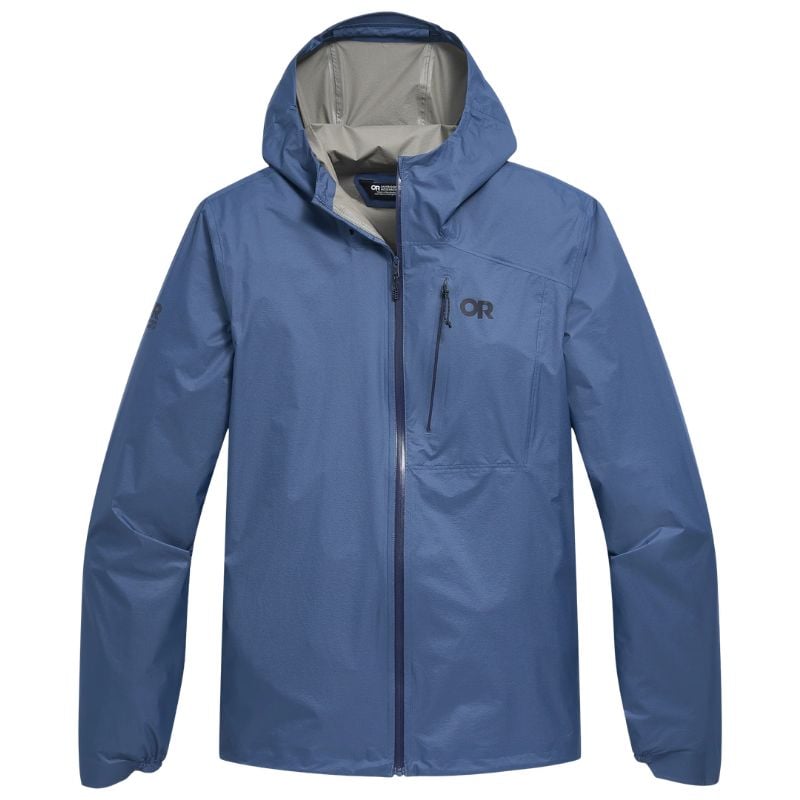
Total Weight: 5.7 oz / 162 grams
Outer fabric: 15 Denier nylon 2.75 layer
Breathability: Not specified, but I believe it is 20000 g/m2/24-hour
Waterproof rating: Hydrostatic Head rating 15000mm
Pockets: 1 Chest Pocket only
Pit Zips: No
Stuff Sac: Stuff into chest pocket
Pros:
> Ultralight
> Small pack size
> Upgraded fabric.
Cons:
> Not as breathable as other jackets in this review
> No hand pockets or pit zips
I used the older Helium 2 to thru-hike the Appalachian Trail, Pacific Crest Trail, and it’s still the rain jacket I’d recommend to anyone wanting one good lightweight shell. The updated face fabric is genuinely tougher than the denier suggests, it’s held up in conditions that have eaten lighter shells.
The trade-off is the lack of pit zips. On hot, humid climbs the Helium UL runs warmer than a Vertice or Versalite, and you’ll sweat. For shoulder season and cooler thru-hiking conditions that’s a fair compromise; for rainforest-style hot rain it isn’t ideal. The chest pocket doubles as the stuff sack, the hood adjusts cleanly, and the price is significantly lower than the cottage-industry options.
If you want one of the the lightest jacket the Helium UL is the answer.
Best for: Lightweight backpacking, thru-hiking, shoulder-season trips, value UL
Compare Prices:
Best Premium Rain Jacket for Thru-Hiking
Arc’teryx Beta SL Rain Jacket
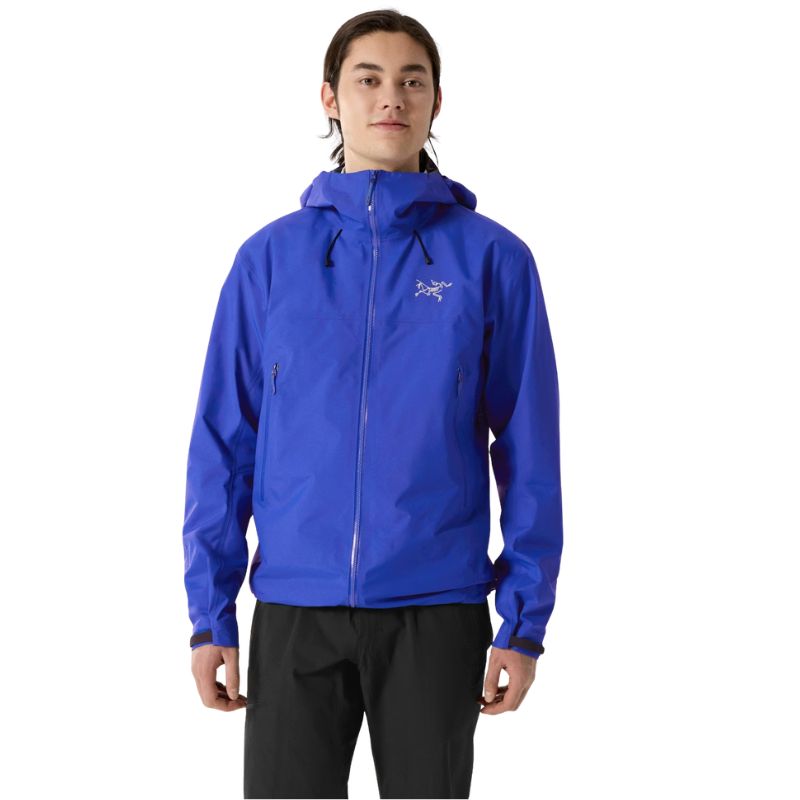
Total Weight: 12 oz / 340 grams
Outer fabric: 70 Denier 3-layer Gore-Tex
Breathability: Not specified, but this jacket is quite breathable
Waterproof rating: Not Specified
Pockets: 1 Chest Pocket, 2 hand pockets
Pit Zips: Yes
Stuff Sac: No, Stuff into the hood
Pros:
> Good 3-layer Gore-Tex fabric
> High-quality Rain Jacket
> Pit Zips
> Hand pockets work well while wearing a backpack with a hip belt
Cons:
> Not cheap
> Not as light as some other jackets in this review
The Beta SL is what I’d buy if I only owned one rain jacket and used it for everything such as thru-hiking, scrambling, and the wet shoulder-season trips that destroy lighter shells. The current Gore-Tex ePE membrane is PFC-free and as bombproof in rain as the older Pro Shell I tested years ago, but lighter and more environmentally honest.
The hood is the cleanest helmet-compatible design I’ve used, and the 40D x 70D face fabric shrugs off pack-strap abrasion in a way the Vertice never will. Pit zips, fully taped seams, and the kind of build quality that lasts more than one trail.
Trade-offs are obvious: it weighs roughly twice what an ultralight shell weighs, and the price is very high. If you thru-hike in dry continental conditions, this is more jacket than you need. If you hike Te Araroa, the Pacific Northwest, the AT in spring, or anywhere genuinely wet for weeks at a time, the Beta SL is the one I’d point you at.
Best for: Year-round wet hiking, alpine thru-hikes, durable premium shell
Compare Prices:
Best Budget Rain Jacket
REI Co-Op Rainier Rain Jacket

Total Weight: 11.3oz / 320 grams
Outer fabric: 2.5 layer recycled ripstop nylon shell
Breathability: Not specified but this jacket is quite breathable
Waterproof rating: Not Specified
Pockets: 2 Chest Pocket, 2 hand pockets
Pit Zips: Yes
Stuff Sac: No, Stuff into hand pocket
Pros:
> Great Price
> Pit Zips
> Good Choice of Colors
Cons:
> Not as light as some other jackets
The REI Rainier is the rain jacket I’d hand a friend starting their first thru-hike on a tight budget. It’s under $100, has full pit zips that most jackets twice the price don’t bother with, and the cut is generous enough to layer over a fleece in cold rain.
It isn’t ultralight at over 11 oz. It weighs nearly twice that of some other ultralight jackets but with pit zips, durable HydroWall membrane, and the recycled-fabric construction make it punch well above its price. REI has also stretched the size range to include tall and plus sizes, which most ultralight brands ignore entirely.
If your budget is tight and you only need one rain jacket for now, this is the smart starting point. Once you’ve put a season on it and decided long-distance hiking is for you, then look at the Vertice, Helium UL or Versalite.
Best for: Budget thru-hiking, first rain jacket, pit-zip hikers on a budget.
Compare Prices:
Best Ultralight Rain Jacket for Wet Climates
Montbell Versalite Rain Jacket Review
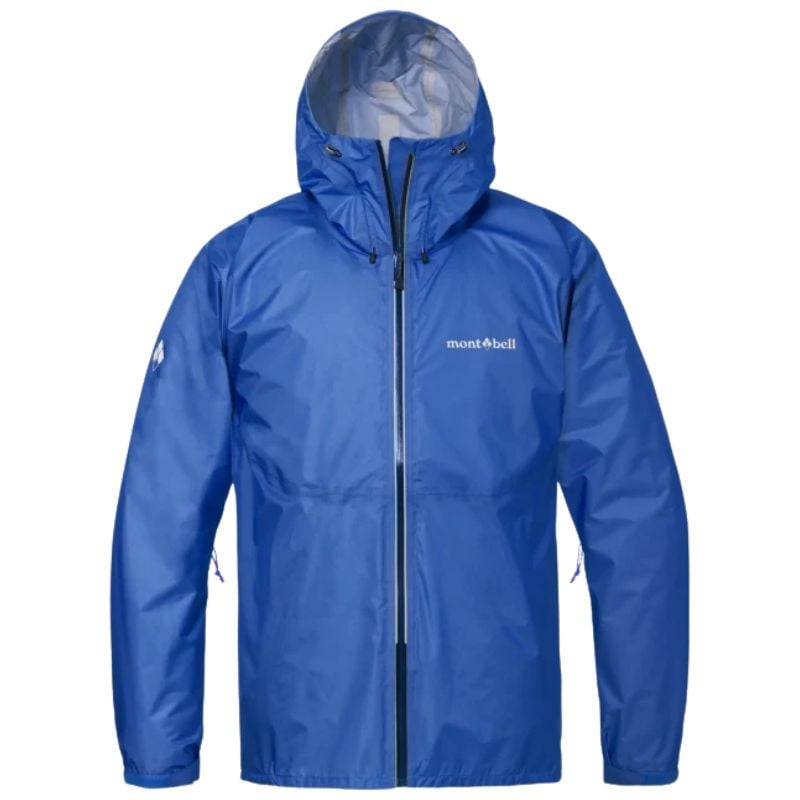
Total Weight: 6.3 oz / 178 grams
Outer fabric: 7 denier 3 layer nylon
Breathability: 52000 g/m2/24-hour
Waterproof rating: Hydrostatic Head rating 20000mm+
Pockets: None
Pit Zips: Yes
Stuff Sac: Yes
Pros:
> Good lightweight face fabric
> Updated PFAS free DWR
> Good lightweight face fabric
Cons:
> Not packable
The newly updated Montbell Versalite has a new fabric and DWR for this year. At 6.3 oz with full pit zips and the new membrane, it’s one of the lightest legitimately wet-weather UL jacket on the market.
The 7D face fabric is fragile, like every UL shell, but new nylon membrane reliability is something the proprietary cottage-industry membranes still don’t quite match for sustained heavy rain. On a wet-climate thru-hikes such as Te Araroa, the West Coast Trail, the AT in spring, the Versalite holds up better than I expected for something this light.
Trade-offs: no pockets and the cut runs slim. If you’re a Triple Crown thru-hiker who wants one of the lightest jackets available, the Versalite is the answer. If you’re rough on gear or hike year-round, the Beta SL or Torrentshell will outlast it.
Best for: Wet-climate thru-hiking, sub-7 oz UL, Te Araroa-style sustained rain
Compare Prices:
Best Eco Friendly Rain Jacket
Patagonia Storm Racer
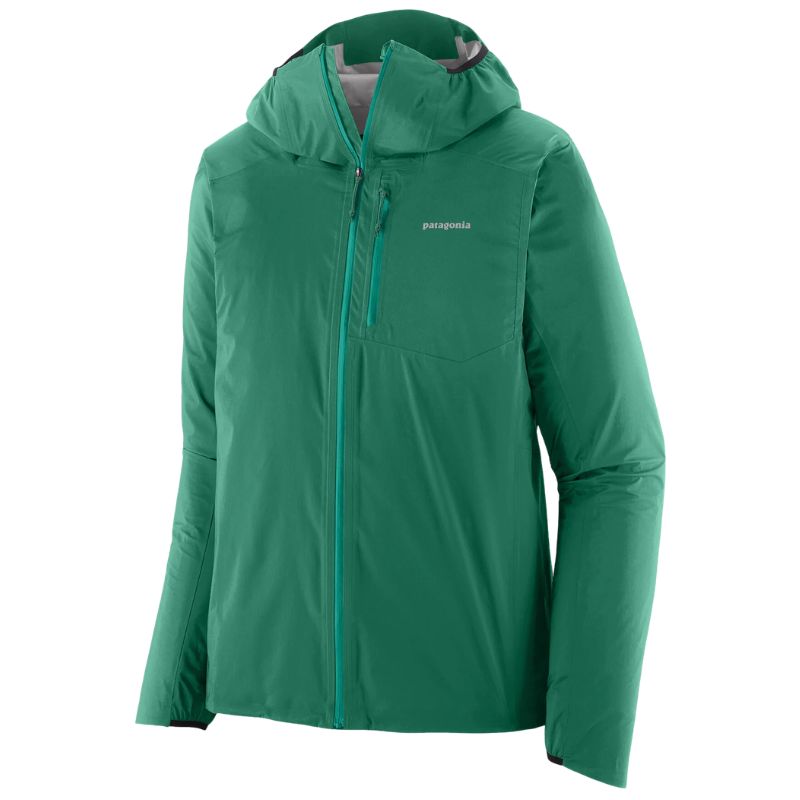
Total Weight: 7.2oz / 204 grams
Outer fabric: 100% recycled 3-layer Ripstop Nylon
Breathability: 15000 g/m2/24-hour
Waterproof rating: 15000mm
Pockets: Chest Pocket, no hand pockets
Pit Zips: No
Stuff Sac: The chest pocket is used as the stuff sac
Pros:
> 100% recycled outer material
> Durable material
> Ultra Lightweight
Cons:
> Premium product at a premium price
The Storm Racer is the rain jacket for hikers who care about where their gear comes from. The face fabric is recycled, the DWR is PFC-free, and Patagonia’s repair program means this jacket can stay in service longer than most. None of that would matter if it didn’t perform, and it does. At around 7 oz it sits close to the Vertice and the Helium UL on weight, with a genuine 3-layer construction that breathes well on hard climbs.
I’ve switched to PFC-free options for most of my gear, but remember to check your DWR regularly and refresh it as needed with a product like Nikwax. The Storm Racer holds its DWR longer than the Torrentshell, in my experience, and the lighter face fabric dries faster after a downpour.
Trade-off: no pit zips. On steep, humid climbs you’ll wish you had them. The single chest pocket and trim, athletic cut also mean it isn’t the best layering shell over thicker insulation.
Best for: Eco-conscious thru-hikers, fast-and-light shoulder-season trips, trail running
Compare Prices:
Best Stretch Rain Jacket
Black Diamond Fineline Stretch Rain Shell

Total Weight: 11.2 oz / 320 grams
Outer fabric: 2.5-layer BD Dry nylon
Breathability: 10000 g/m2/24-hour
Waterproof rating: 10000mm
Pockets: 2 Hand Pockets
Pit Zips: Yes
Stuff Sac: Stuff into left hand pocket
Pros:
> Good stretch material.
> Pit Zips.
> Reasonably priced.
> Waterproof and breathable.
> Good choice of colors.
Cons:
> Lightweight but a bit heavier than others in this review.
The Fineline Stretch isn’t the lightest jacket here, but it’s the most comfortable to actually move in. The 50D stretch-woven face fabric has genuine four-way stretch, not the marketing-claim kind which makes a real difference on scrambles, ladder sections of the AT in the rain, or any time you’re reaching overhead with a pack on.
BD.dry is a proprietary 2.5L membrane, not Gore-Tex, but in field use it performs comparably for hiking-grade rain. Pit zips, hipbelt-friendly hand pockets, and a clean hood adjustment round it out.
Trade-offs: heavier than the ultralight options, and the stretch face fabric is more abrasion-resistant than thin denier shells but does pick up grime. If you want a rain jacket that doesn’t fight you on technical sections, this is the pick.
Best for: Climbing approaches, scrambling, hikes where range of motion matters
Compare Prices:
Best Durable Rain Jacket for Thru-Hiking
Patagonia Torrentshell 3L

Total Weight: 14.1 oz / 400 grams
Outer fabric: 50 Denier 3-layer nylon waterproof fabric
Breathability: Not specified
Waterproof rating: Not stated
Pockets: 2 Hand Pockets
Stuff Sac: Stuff into left hand pocket
Pros:
> Good 3-layer material
> Good pockets
> Eco-friendly materials
Cons:
> Heavy
Most other gear sites pick the Torrentshell as their best overall rain jacket. I rate it a little differently. At 14 oz it’s heavier than I want on most thru-hikes but it earns its place on this list as the best durable rain jacket for hikers who’d rather not replace a shell every season. The 50D recycled face fabric is the toughest in this entire lineup, the pit zips work properly, and it’s full Fair Trade Certified sewn with a PFC-free DWR.
If you’re hiking the AT, the TA, or any long trail with bushwhacking and scrub, the Torrentshell will still be intact at the end while the Vertice is patched with Tenacious Tape. Patagonia’s Worn Wear repair program is genuinely good, they’ll patch zippers and tears for you.
Trade-off is the obvious one: weight. For UL thru-hikers it’s too much. For everyone else, it’s the most honest balance of price, sustainability, durability, and weatherproofing on the market right now.
Best for: First-time thru-hikers, durable wet-weather hiking, eco-conscious buyers
Compare Prices:
Best Ultralight Rain Jacket for Cottage-Industry Thru-Hikers
Enlightened Equipment Visp Jacket Review

Total Weight: 5.6 oz / 158 grams
Outer fabric: 7 Denier Waterproof Ripstop Nylon
Breathability: 83000 g/m2/24-hour
Waterproof rating: 28000mm
Pockets: 2 pockets for hands
Stuff Sac: No
Pros:
> Ultralight
> Very Breathable
> Pit Zips
Cons:
> No Pockers
The Enlightened Equipment Visp would be the best rain jacket for the Pacific Crest Trail or a similar long-distance trail. EE builds it like they build their quilts genuinely cottage-scale, with multiple fabric and customisation options, and a price that reflects the small-shop manufacturing rather than mass production.
I have owned and been testing his jacket for about 2 years. It’s one of the lightest hooded rain jackets you can buy with full pit zips. On the PCT or CDT, where you’re carrying the jacket far more than you’re wearing it, that grams-saving matters. The 7D face fabric is fragile and you need to be the kind of hiker who doesn’t shoulder-press through wet manzanita.
Trade-offs: At the time of updating this review it was out of stock. lead times can be long, fit runs slim, and durability is the trade-off you make for the weight. If you already own a Zpacks Vertice and want a backup that’s lighter still, or you want to support cottage-industry gear makers, the Visp is the answer.
Best for: Cottage-industry UL thru-hikers, PCT/CDT, fast-and-light bikepacking, doubles as a wind breaker.
Compare Prices:
Best Pit-Zip Rain Jacket for Humid Trails
Marmot PreCip Eco Rain Jacket Review

Total Weight: 11 oz / 305 grams
Outer fabric: 100% Recycled Nylon Ripstop NanoPro Eco
Breathability: 17000 g/m2/24-hour
Waterproof rating: 10000mm
Pockets: 2 hand pockets, 1 chest pocket, and pit zips
Pit Zips: Yes
Stuff Sac: It packs into the left hand side pocket
Pros:
> Pit zips and mesh pockets to vent heat
> Environmentally friendly
> Cheap
Cons:
> Breathable but could be better
> Not ultralight
The PreCip Eco is the budget pit-zip jacket I’d pick if the REI Rainier weren’t available. Marmot has been making the PreCip in some form for over twenty years, and the Eco version moved the construction to recycled face fabric and a more environmentally responsible membrane.
For under $130, you get full pit zips, a roll-away hood, and a 2.5L jacket that handles real rain. It’s heavier and warmer than the ultralight picks, and the NanoPro Eco membrane breathes less than the OR Helium, but for the price it’s hard to argue with.
Trade-offs: not durable enough for multiple thru-hikes back to back, and the cut runs roomy in a way that flaps in wind. Good first jacket, good budget jacket, not the one to take on the Te Araroa.
Best for: Budget thru-hikers, humid climates, first rain jacket
Compare Prices:
Popular Rain Jackets Not Included (And Why)
A few rain jackets you’ll see on other “best of” lists aren’t in this guide. They’re good products — they just don’t fit the focus on ultralight backpacking and thru-hiking.
Lifestyle and commuter rain coats (e.g. The North Face Antora, Columbia Hikebound II) — Fine for around town, but no pit zips, heavier 2L construction, and not aimed at thru-hike performance.
Heavy 3L mountaineering hardshells (e.g. Arc’teryx Alpha AR, Patagonia Triolet) — Built for technical mountaineering with helmet-compatible hoods and reinforced shoulders. Excellent jackets but too heavy and expensive for trail use.
Norrøna trollveggen GORE-TEX Pro Light — A genuinely top-tier guide jacket at over $700. Overkill for thru-hikers; the Beta SL or Falketind Paclite gives most of the performance at a more reasonable price.
Patagonia Granite Crest — A 14 oz 3L jacket aimed at all-day mountain weather. Tougher than the Torrentshell but heavier than this list’s ultralight focus warrants.
Running-specific shells (e.g. Ultimate Direction Ultra Jacket) — Designed for running first, hiking second. Cut and pocket layout don’t suit a fully loaded pack.
Rain Jacket Buyers Guide
How to Choose a Rain Jacket for Backpacking
After managing an outdoor store and thru-hiking the Triple Crown, here’s how I’d actually think about this, not as a spec sheet, but as a backpacker.
Weight vs durability for thru-hiking
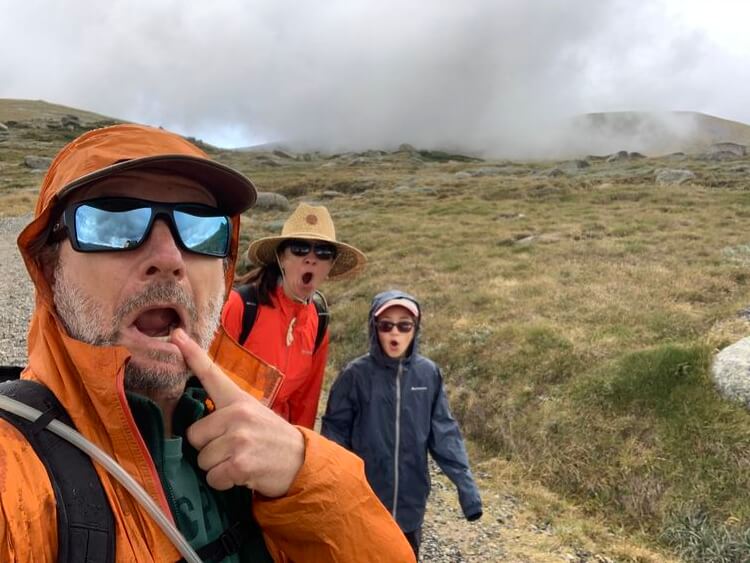
This is the only trade-off that really matters. A 5 oz Vertice will save you grams every day, but it asks you to be careful with it. A 14 oz Torrentshell will outlast two of them but feel heavier on every climb. For a single thru-hike, the lighter option pays off. For year-round hiking and shoulder-season trips, durability wins.

2L vs 2.5L vs 3L construction
2L jackets have a separate liner — heavier, often warmer, used in budget and commuter shells. 2.5L jackets are the lightest — a sprayed-on inner coat instead of a full liner; this is where most ultralight rain jackets sit. 3L jackets have a bonded inner fabric that protects the membrane from body oils and sweat — they cost more, last longer, and breathe more consistently in sustained rain. For thru-hiking I’d pick 3L when I can afford the weight.
Waterproof rating
Look for at least 15,000 mm hydrostatic head; 20,000 mm or more is what the best ultralight options here deliver. Below 10,000 mm (e.g. Frogg Toggs, some lifestyle jackets) and you’re in emergency-rain-coat territory, not real backpacking shells.
A rain jacket with a hydrostatic head rating of 20000mm is the equivalent of placing a cylinder of water 25mm (1 inch) round on a jacket and filling it with 20000mm of water before it will leak through.
DWR coatings and wetting out
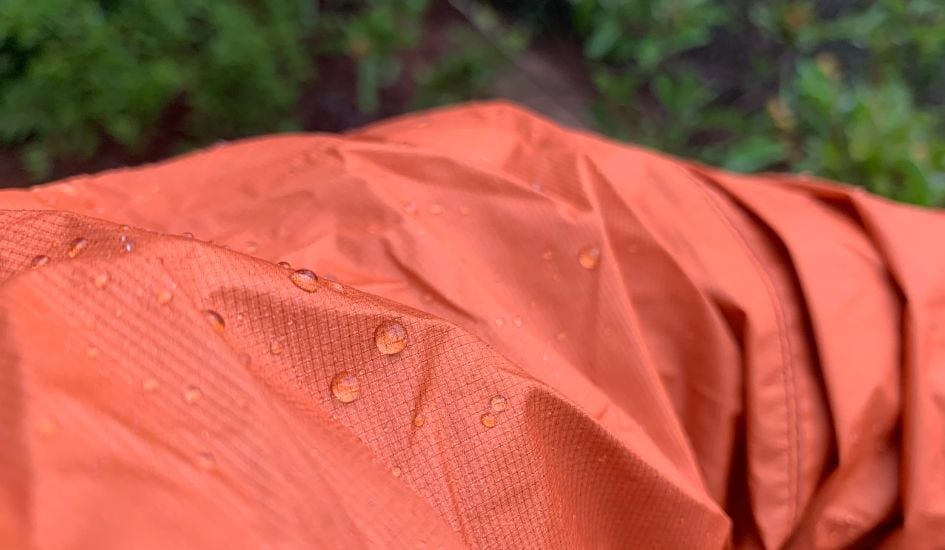
Back when I managed an outdoor store, the number one complaint I heard was that rain jackets leaked. Nine times out of ten, it was the worn-out DWR causing the problem. I’d show customers the difference by spraying water on a new jacket (which would bead water perfectly) and then on their old one (which would soak it up). Refresh DWR with Nikwax TX.Direct every season or two. PFC-free DWR (now standard on most jackets including Patagonia, Arc’teryx ePE, REI’s newer line) is less durable than the old fluorocarbon stuff but better for the planet.

Breathability and pit zips
Breathability ratings are useful (15,000+ MVTR is a reasonable floor), but pit zips matter more in real use. On a humid uphill, no membrane breathes faster than an open zip. If you hike in warm rain, prioritise pit zips. If you’re a fast-and-light alpine hiker in cold rain, you can live without them.
Hoods, cuffs, hem, and pockets
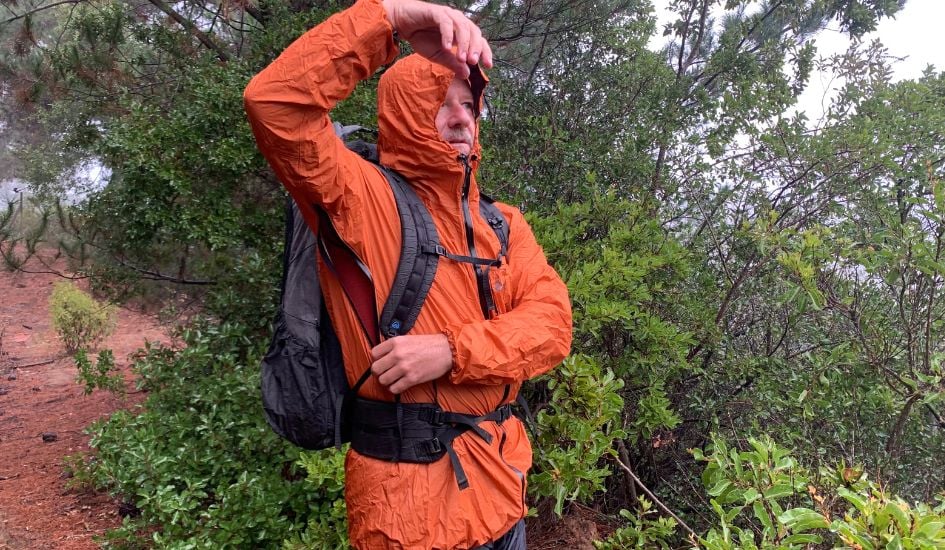
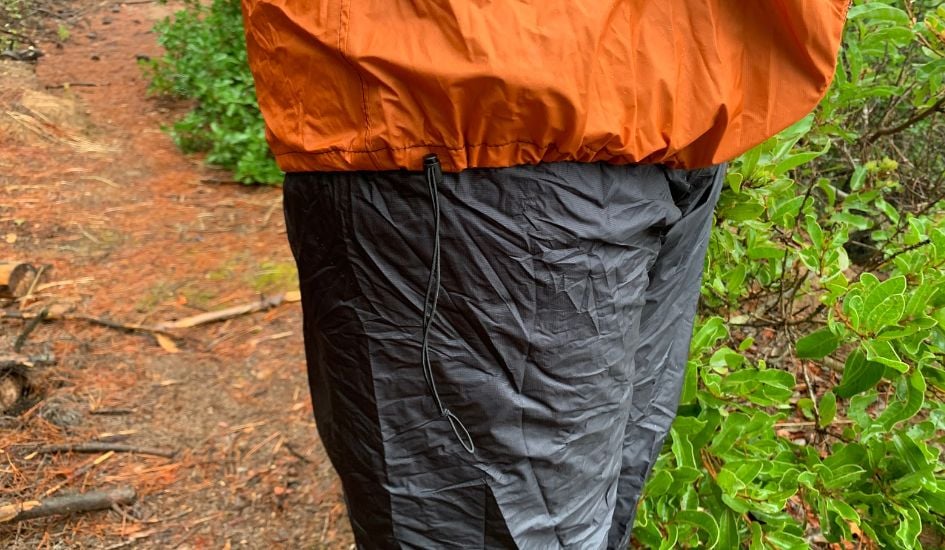
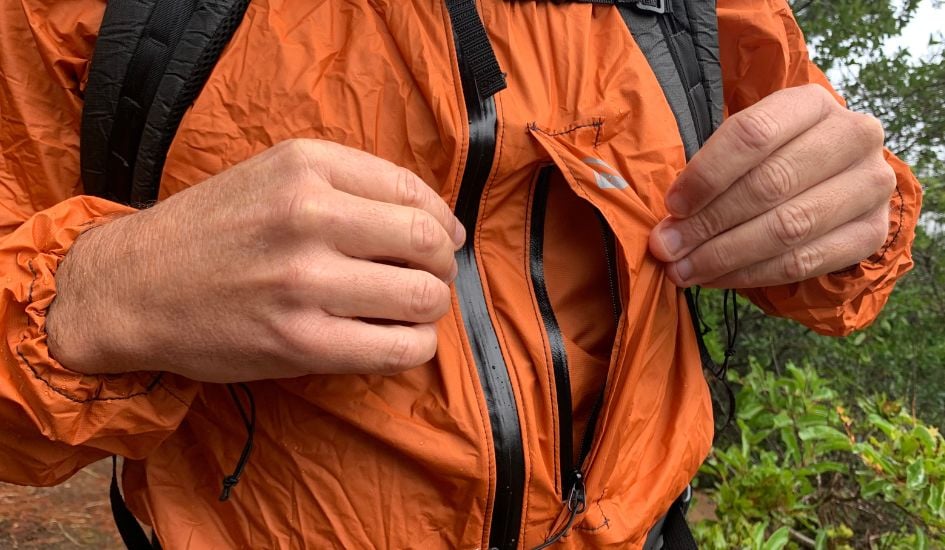
A non-adjustable hood is a deal-breaker on a thru-hike. A helmet-compatible hood matters if you scramble or climb. On stormy days, I always cinch my cuffs tight over my gloves to keep water from running down my arms — so look for cuffs that adjust properly. A drawcord hem keeps wind and rain out. Pockets are personal: having used a jacket without pockets for many years, I don’t feel they are important; others feel they are super important.
Down vs soft-shell vs rain jacket
None of these are interchangeable. A rain jacket is for sustained rain. A soft-shell is for cold, dry, or lightly damp conditions and breathes better but isn’t waterproof. An ultralight down jacket is for camp warmth — not rain. For thru-hiking, a rain jacket plus a down jacket plus a light weight fleece or active-insulation midlayer covers almost every scenario.

How to restore a DWR Treatment Video
Rain Jacket Hood
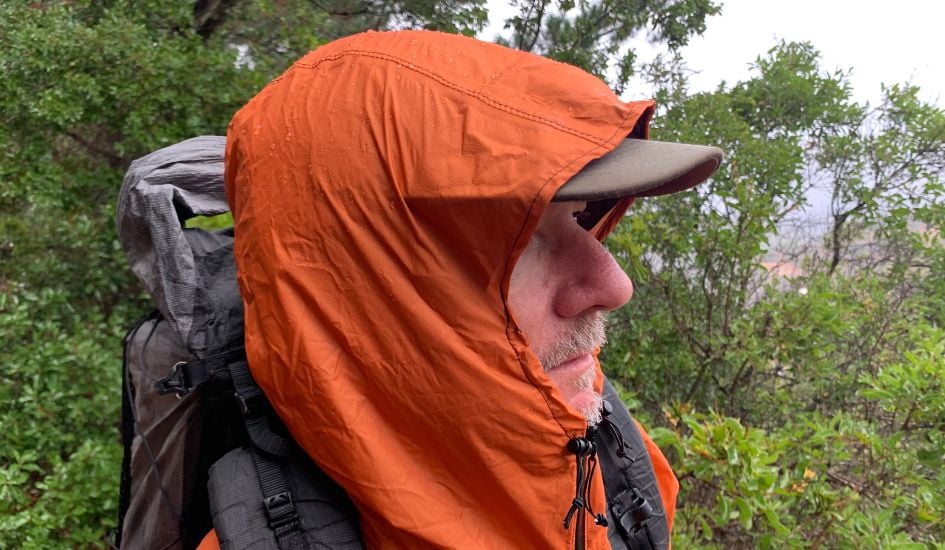
A good hood is your first line of defense against rain running down your neck. Simple elastic hoods are light and easy, but adjustable hoods with cinch cords and toggles give you a snug fit that keeps water and wind out, especially important in harsh weather.
Some hoods also have stiffened brims to keep rain off your face and help you see where you’re going. The best hoods move with your head, so you’re not constantly peering into the side of your jacket.
Helmet Compatible Hood
For those who spend time in alpine areas and require an Alpine rain jacket then they may also need a helmet-compatible rain jacket. Most ultralight rain jackets skip this feature to save weight. In my reviews, the Arc’teryx Beta SL is a good example of a jacket with a helmet-compatible hood, while most others stick to standard sizing.

Conclusion
All the Rain Jackets Tested in the Ultralight Rain Jacket Gear Review are great and worth buying.
- Best Ultralight Rain Jacket Overall: ZPacks Vertice Rain Jacket
- Best Lightweight Rain Jacket: Outdoor Research Helium UL
- Best Premium Rain Jacket for Thru-Hiking: Arc’teryx Beta SL
- Best Budget Rain Jacket: REI Rainier
- Best Ultralight Rain Jacket for Wet Climates: Montbell Versalite
- Best Eco-Friendly Rain Jacket: Patagonia Storm Racer
- Best Stretch Rain Jacket: Black Diamond Fineline Stretch
- Best Durable Rain Jacket for Thru-Hiking: Patagonia Torrentshell 3L
- Best Cottage-Industry Pick: Enlightened Equipment Visp
- Best for Humid Pit-Zip Hikers: Marmot PreCip Eco
Frequently Asked Questions
What is the best ultralight rain jacket for thru-hiking?
For most thru-hikers, the Zpacks Vertice, Outdoor Research Helium UL or Montbell Versalite is the sweet spot. Sub-7 oz, full pit zips, proper waterproof breathable membranes, and durable enough to finish a Triple Crown trail. The Outdoor Research Helium UL is the best value alternative if either of those is out of budget.
Are ultralight rain jackets actually waterproof?
Yes, when they’re new and the DWR is fresh. The 7–10D face fabrics on UL jackets like the Vertice and Visp are fragile, but the underlying membrane is rated to 20,000 mm or more — which is the same as a heavier shell. Where they fall down is durability over time and against abrasion, not initial waterproofing.
Do I need pit zips on a rain jacket?
On a humid, warm thru-hike — yes. Pit zips dump heat faster than any membrane breathes. If you mostly hike in cold rain or shoulder-season alpine, you can live without them and save weight (the Helium and Storm Racer skip pit zips on purpose).
How long does a rain jacket last on a thru-hike?
A 2.5L ultralight jacket like the Vertice or Visp will usually finish one Triple Crown trail with patches and a refresh of DWR. A 3L jacket like the Beta SL or Torrentshell will last multiple thru-hikes with the same care. The fastest way to kill any rain jacket is letting the DWR die — recoat every season.
What’s the difference between a 2.5L and 3L rain jacket?
2.5L jackets have a sprayed-on inner coating instead of a full liner — lighter, cheaper, less durable. 3L jackets have a fully bonded inner fabric that protects the membrane from body oils. 3L jackets last longer, breathe more consistently in sustained rain, and weigh more. For thru-hiking I prefer 3L when the weight is reasonable.
Is Gore-Tex worth it for backpacking?
Yes, especially in sustained heavy rain over multiple days. Gore-Tex (especially Pro and ePE) breathes more consistently than most proprietary membranes when the face fabric wets out. Brands’ in-house membranes (H2No, BD.dry, NanoPro) are catching up but Gore-Tex still has the edge in real-world wet thru-hiking.
Can I use my rain jacket as a wind shell?
Yes, but you don’t really need a separate wind shell if you carry an ultralight rain jacket like the Vertice, Versalite, or Helium. They double as wind layers and save you carrying two pieces. A dedicated wind shell only makes sense if you’re shaving every gram and rarely see rain.
Follow along on Social Media


BikeHikeSafari Gear Review Process
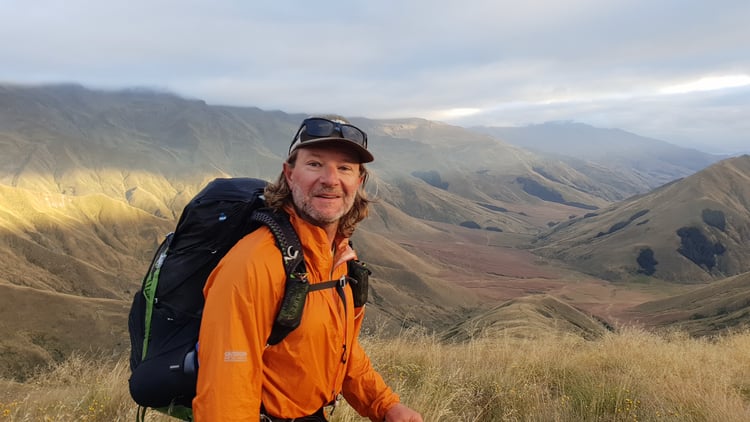
The author, Brad McCartney from BikeHikeSafari is a small independent adventurer and outdoor gear tester who owns and runs BikeHikeSafari.com.
BikeHikeSafari is not part of a large blog network and is proudly independent. All reviews on this site are independent and honest gear reviews of outdoor products by the author.
The author, Brad McCartney is a very experienced triple crown thru-hiker, adventurer, and bike tourer having spent 1000s of nights sleeping in a tent and sleeping bag (Read more). He was a manager of an outdoor retail store and is very experienced in what is important when using and testing gear for reviews like this.
BikeHikeSafari will never receive any money for reviews and they do not accept sponsored reviews on this website. All the comments about the gear reviews are from the author based on his years of experience. Hope this independent review was helpful for you.

