

I have worn a sun hat almost every day across almost 10000 miles of thru-hiking on the, plus more than 30 years of multi-day backpacking and hiking trips through hot, exposed country where the sun does real damage.
This guide is for hikers, backpackers, and thru-hikers who want a hat that actually earns its place in the pack: light, breathable, packable, and genuinely protective. My current top pick is the Sunday Afternoons Ultra Adventure Hat, with the Headsweats Running Hat as the best ultralight option and the Tilley LTM6 for those who want a wide, durable brim.
The trade-off you are really choosing between is coverage versus breathability and weight, and I explain how to balance it below. Jump straight to the Quick Picks, or read on for the full reviews. For how I research and field-test gear, see the Gear Review Policy.
Quick Picks: Best Hiking Hats
- Best Overall: Sunday Afternoons Ultra Adventure Hat – Light, breathable, and the hat I reach for most on exposed trail. The stowable cape and mesh crown make it the most complete all-rounder for thru-hiking.
- Best Ultralight: Headsweats Running Hat – My personal hat for thousands of miles on the CDT and AT. Barely-there weight, dries fast, and keeps the sun off your face without cooking your head.
- Best Wide Brim: Tilley LTM6 Broad Brim Hat – A durable, full-coverage brim for hikers who want maximum shade and a hat that will outlast several seasons.
- Best Full Sun Protection: Outdoor Research Sun Runner – Cap plus removable legionnaire cape covers the neck and ears. My go-to recommendation for desert stretches and high-UV days.
- Best Hiking Cap: Outdoor Research Swift Cap – Simple, ventilated, and packable for hikers who prefer a ballcap and don’t mind reapplying sunscreen to the neck.
- Best Waterproof: Outdoor Research Seattle Rain Hat – A genuine rain hat with a wide brim that routes water off your shoulders. Pair it with a lightweight rain jacket for wet shoulder-season hikes.
- Best for Small Heads: The North Face Horizon Breeze Brimmer – Comfortable fit for smaller head sizes where one-size hats slip, with a breathable crown.
- Best Premium All-Rounder: Patagonia Quandary Brimmer – High-UPF fabric and a wide, structured brim built specifically for sun-heavy trekking. A strong step up if you want premium coverage.
- Best Budget Hiking Sun Hat: Columbia Bora Bora Booney II Hat: Full brim, ventilated and well priced. Proof you don’t need to spend big for solid sun coverage on a tight budget.
- Most Stylish / Trail-to-Town: REI Sahara Guide Hat – Protective enough for the trail and clean enough for town, so it doubles as your travel hat on a thru-hike resupply.
More Quality Sun Hats Worth Considering:
How We Tested
The sun hats in this guide are researched and, where possible, field-tested by an experienced long-distance hiker and former outdoor store manager. Across thru-hikes on the Triple Crown trails, shoulder-season trips, day hikes and multi-day backpacking trips, I judge sun hats on sun coverage and UPF, breathability and ventilation, packability, brim durability, comfort over full days, and value for serious backpacking. Some of the items were supplied by the manufacturer and some were purchased by the author for this review. For more on how we research and review gear, see the BikeHikeSafari Gear Review Policy.
Follow along on Social Media
Hiking Hat Comparison Table
| Brand | Weight | Material | Brim Width | UPF Rating |
|---|---|---|---|---|
| Sunday Afternoons Ultra Adventure Hat | 2.6 oz | Nylon/Polyester | 3.25 inches | 50 |
| Headsweats Running Hat | 1.9 oz | Synthetic | 3 inches | Not Specified |
| Tilley LTM6 Broad Brim Hat | Not Specified | Nylon | 3.25 inches | 50 |
| Outdoor Research Sun Runner | 2.8 oz | Nylon | 2.5 inches | 50 |
| Outdoor Research Swift Cap | Not Specified | Nylon | 2.75 inches | 50 |
| Outdoor Research Seattle Rain Hat | 3.2 oz | Nylon/Polyester | 3.75 | 50 |
| The North Face Horizon Breeze Brimmer | Not Specified | Nylon/Polyester/Elastane | Not Specified | 40 |
| Patagonia Quandary Brimmer | 4 oz | Nylon | Not Specified | 40 |
| Columbia Bora Bora Booney II Hat | Not Specified | Nylon/Polyester | 3 inches | 50 |
| REI Sahara Guide Hat | 2.8 oz | Nylon | 3.25 inches | 50 |
| Sunday Afternoons Adventure Hat | 3 oz | Nylon/Polyester | 4 inches | 50 |
| Outdoor Research Sombriolet | 3.1 oz | Nylon/Polyester | 3 inches | 50 |
Best Hiking Hats 2026: Detailed Reviews
Best Hiking Hat – Overall
Sunday Afternoons Ultra Adventure Hat

Weight: 2.6 oz / 74 grams
Pros:
> Can be folded down, and stored away easily
> Full coverage of face and neck
> Sunglasses Lock on the brim
> Water and Sweat Resistant
Cons:
> Brim Size could be a little bigger
This is the hat I hand to anyone who asks for one recommendation and wants to stop thinking about it. The Ultra Adventure hits the balance most thru-hikers actually need: a brim wide enough to shade your face and the back of your neck, a mesh crown that dumps heat on climbs, and a stowable cape for the days when the sun is relentless.
It suits three-season backpacking and long exposed days better than almost anything else here. On high-UV stretches you drop the cape; in forest or cooler weather you tuck it away and it wears like a normal brimmed hat. Another cool feature the ability to tuck the arms of your hiking sunglasses into the hat keeping them secure and safe when you are not wearing them.
The trade-off is honest: the fold seam down the brim can flop slightly and nibble at your peripheral vision, and the cape catches in a strong gust. Neither is a dealbreaker, and the packability you get in return is worth it when you’re stuffing it into a hip-belt pocket ten times a day.
Trade-off: brim floppiness and cape drift in wind versus best-in-class packability and coverage.
Best for: thru-hikers and backpackers who want one hat that covers full sun and packs small.
Compare Prices:
Best Ultralight Hiking Hat
Headsweats Running Hat

Weight: 1.9 oz / 55 grams
Pros:
> Ultralight
> Quick drying
> Great for evaporating sweat
> Lots of colors to choose from
Cons:
> Not as durable as some of the other hats
This has been my favorite hiking hat for thousands of miles, and I mean that literally: I wore one for more than 5000 miles of thru-hiking on the Continental Divide Trail and the Appalachian Trail. With more than 250 days of constant use in tough conditions, I found the hat kept me cool on the hot days and dried out fast after storms and sweat. I have now purchased my second hat to replace my worn-out first one.
It is the ultralight choice, plain and simple. There is almost no weight, it breathes better than any brimmed hat here, and the sweatband keeps sting out of your eyes on long climbs.
The honest trade-off is coverage. A ballcap brim shades your face but leaves your neck and ears exposed, so on desert stretches I pair it with sunscreen or an ultralight hiking umbrella. If your priority is the lowest possible weight and maximum breathability over full-face coverage, nothing here beats it.
Trade-off: minimal neck and ear coverage versus lowest weight and best breathability.
Best for: ultralight hikers and thru-hikers who prioritise weight and airflow.
Compare Prices:
Best Wide Brimmed Hiking Hat
Tilley LTM6 Airflo Broad Brim Hat

Weight: Unknown
Pros:
> 100% recycled material.
> 11 different sizes to choose from
> There is a small, hidden pocket that allows you to store any small items.
Cons:
> They are a bit pricey compared to other hats we have on our list, yet you are paying for quality that should last.
The Tilley is the hat for hikers who want maximum shade and a brim that holds its shape season after season. The all-around brim protects your face, ears, and neck in one piece, and the mesh Airflo band keeps the crown from turning into a sauna.
It suits people who value durability and coverage over squeezing out every last gram. This is a hat you buy once and use for years, which is exactly why it earns a place on a thru-hiking list despite being heavier than my ultralight picks.
The trade-off is weight and packability: it does not crush into a pocket the way the Ultra Adventure or Buff do, so it rides on your head or clipped to your pack rather than stuffed inside it.
Trade-off: heavier and less packable versus outstanding durability and all-around coverage.
Best for: hikers who want a durable, wide, full-coverage brim and will keep it for years.
Compare Prices:
Best Backpacking Headwear for Sun Protection
Outdoor Research Sun Runner

Weight: 2.8 oz / 79 grams
Pros:
> The velcro strap on this hat allows for a better fit around your head.
> Neck Cape covers your entire neck
> Lightweight
Cons:
> Not the most stylish hat.
The Sun Runner is what I recommend for genuinely brutal sun. It is a ventilated cap with a removable cape that wraps the neck and reaches toward the front of the throat, so on desert days you cover the skin most hats leave exposed.
I still remember the first time I wore a hiking hat with a removable ear and neck covering — I felt very unstylish, but I stayed cool and wasn’t sunburnt after hiking all day in a hot desert. That is exactly the job this hat does. Clip the cape off and it wears like a normal cap for cooler, shaded trail.
The trade-off is that the cape can trap a little heat at the neck and shift in the wind, and the styling is unashamedly technical.
Trade-off: cape heat and technical looks versus the best neck and ear protection here.
Best for: desert hikers and anyone doing long high-UV days who wants full neck coverage.
Compare Prices:
Best Hiking Cap for Backpacking
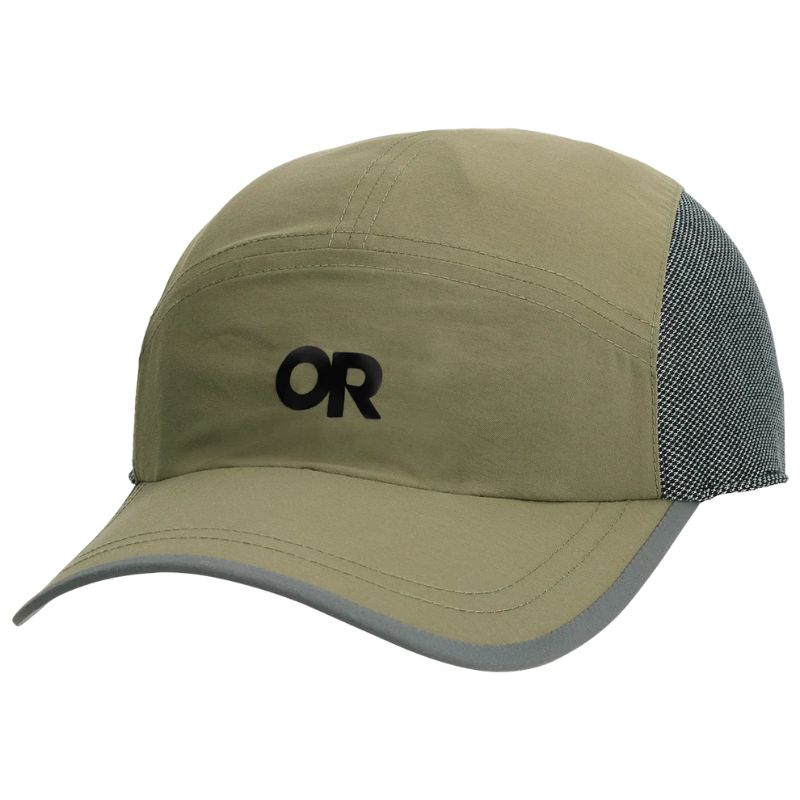
Outdoor Research Swift Cap
Weight: Unknown
Pros:
> Classic basketball-looking design
> A soft sweatband inside this cap quickly absorbs any sweat off your head
> Ultralight
> Comfortable
Cons:
> Comes in one size that fit most people but very large and very small heads may not like the fit.
The Swift Cap is for hikers who simply prefer a ballcap and don’t want a cape flapping at their neck. It is light, well ventilated through mesh side panels, and packs flat into any pocket.
It suits fast-and-light days, trail running, and anyone who pairs a cap with a sun hoodie for neck coverage. As a cap it does the front-of-face job well and stays out of the way.
The trade-off is the same as any ballcap: your neck and ears are exposed, so you are committing to sunscreen or a hood on exposed sections.
Trade-off: no neck coverage versus low weight, great ventilation, and packability.
Best for: cap-preferring hikers and trail runners who cover their neck another way.
Compare Prices:
Best Waterproof Hiking Hat
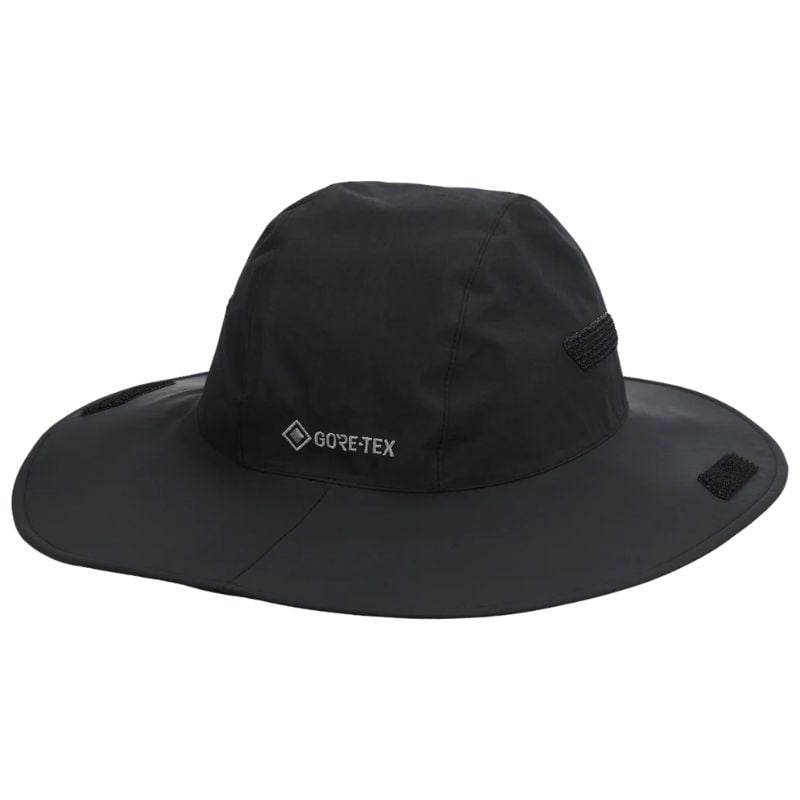
Outdoor Research Seattle Rain Hat
Weight: 3.2 oz / 91 grams
Pros:
> Can be used in all weather
> Waterproof Gore-Tex
> Good sun protection and rain protection
Cons:
> Not as breathable as most of the other hats
Waterproof hiking hats are a niche, but when you need one you really need one. The Seattle Rain Hat is a true rain hat: a wide waterproof brim that routes water off your face and shoulders instead of down your neck.
It suits wet shoulder-season hiking and notoriously damp trails, think the Te Araroa in the rain or Pacific Northwest shoulder season. Worn with a lightweight rain jacket, it keeps your head dry far better than a hood alone, and you keep your peripheral vision.
The trade-off is breathability: waterproof fabric doesn’t breathe, so this is not a summer sun hat. It also weighs more and packs larger than the synthetic sun hats here.
Trade-off: poor hot-weather breathability and more bulk versus genuine rain protection.
Best for: hikers tackling sustained rain and wet shoulder-season trips.
Compare Prices:
Best Sun Hat for Small Heads
The North Face Horizon Breeze Brimmer

Weight: Unknown
Pros:
> Good sweatband
> Comfortable
> Breathable
Cons:
> Floppy brim when it is windy
This one is already on your page but deserves promotion to a named pick: it is a genuinely good option for hikers with smaller heads, where one-size hats tend to slip and spin. The breathable crown keeps it cool and the all-around brim covers face and neck.
It suits hikers who have struggled to get a secure fit from unisex one-size hats, as well as anyone who wants a straightforward brimmed hat without a cape.
The trade-off is that it is not the most protective or the most packable option here, but the fit advantage for smaller heads makes it the right call for the people it’s aimed at.
Trade-off: middling protection and pack-down versus a dialed fit for smaller heads.
Best for: hikers with smaller head sizes who want a secure, breathable brimmed hat.
Compare Prices:
Best Premium Hiking Hat
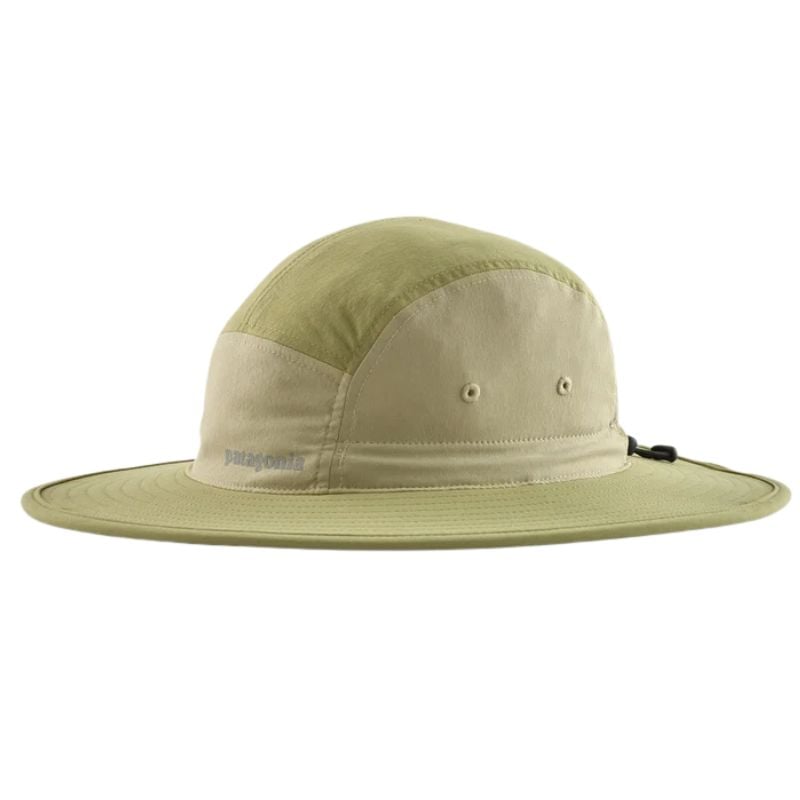
Patagonia Quandary Brimmer
Weight: 4 oz / 99 grams
Pros:
> Comfortable
> Made from water repellent nylon
> Good sun protection
Cons:
> Not much
The Quandary Brimmer is the design-led pick — a genuinely stylish brimmed hat with the build quality you expect from Patagonia. The 3-inch brim shades face and neck and the chin cinch keeps it secure in gusts.
It suits hikers who want a hat that looks sharp on and off the trail and don’t mind paying for quality. It is a hat you’ll happily wear into a cafe as much as up a ridge.
The trade-off is that it runs a little warm and sits at the pricey end, so it is more about quality and looks than shaving grams.
Trade-off: warmer and pricier versus excellent quality and standout looks.
Best for: hikers who want a premium, stylish brimmed hat for trail and town.
Compare Prices:
Best Budget Hiking Sun Hat
Columbia Bora Bora Booney II Hat

Weight: Unknown
Pros:
> The inner headband, quickly removes any moisture from the skin into the fabric
> Mesh panels let cool air in and hot air out
> Good UV Protection
Cons:
> Some people think this sun hat just looks plain and dull.
The Bora Bora Booney is the simplest, most affordable brimmed hat here, and it keeps a spot for exactly that reason. It has a wide brim, a sweat-wicking band, and mesh venting at a price most hikers won’t think twice about.
It suits budget-minded hikers and anyone who wants a no-frills boonie that just works. It appears across competitor lists as the simplest option, and that plainness is its appeal.
The trade-off is that the fabric and fit are basic compared with the premium picks, but for the money the coverage is honest.
Trade-off: basic fabric and fit versus a very fair price for real coverage.
Best for: budget hikers wanting a simple, no-frills full-brim boonie.
Compare Prices:
Most Stylish / Trail-to-Town
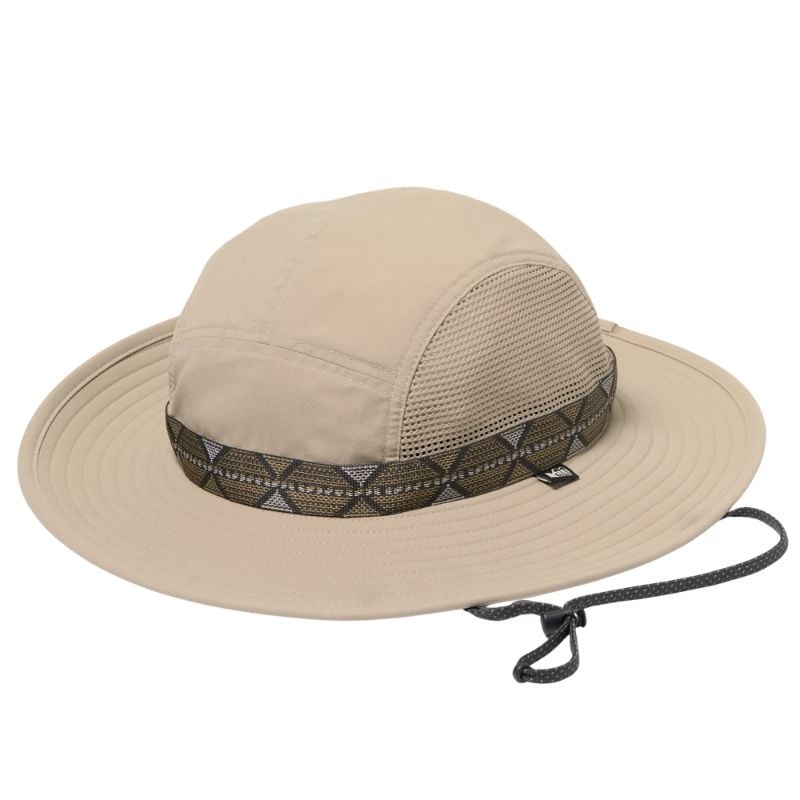
REI Sahara Guide Hat
Weight: 2.8 oz / 80 grams
Pros:
> Lightweight
> Quick drying
> Reasonably priced
> Looks good
Cons:
> Not as durable as some of the other hats
The Sahara Guide Hat is the one I would pack if I wanted a single hat that looks at home on the trail and in a trail town during a resupply. It has enough brim and UPF fabric to protect you through a full day of hiking, but a cleaner look than a caped legionnaire hat.
It suits section hikers, travelers, and anyone who values a hat doing double duty. On a thru-hike where every item has to justify its weight, a hat you’ll actually wear into town has real value.
The trade-off is that it is not as protective as a caped hat for the neck and not as ultralight as a running cap, but as a stylish all-rounder it lands right in the middle in a useful way.
Trade-off: middling on both extremes versus the best trail-to-town versatility.
Best for: section hikers and travelers who want one good-looking, protective hat.
Compare Prices:
Sunday Afternoons Adventure Hat

Weight: 3 oz / 95 grams
Pros:
> Great Sun Protection
> Breathable and good ventilation
> Good fit
Cons:
> No sunglass strap like the ultra
The standard Adventure Hat is the slightly more structured sibling to my top-pick Ultra Adventure. It offers similar wide-brim coverage and a mesh crown, with a bit more brim rigidity that some hikers prefer for a cleaner shape.
It suits backpackers who like the Sunday Afternoons formula but want the brim to hold its line better, and it remains a reliable full-coverage sun hat for exposed trail.
The trade-off is that it doesn’t pack down quite as flat as the Ultra Adventure, so if pure packability is your priority, reach for the Ultra instead.
Trade-off: slightly less packable versus a more structured, stable brim.
Best for: hikers who want Sunday Afternoons coverage with a firmer brim.
Compare Prices:
Outdoor Research Sombriolet Hiking Hat
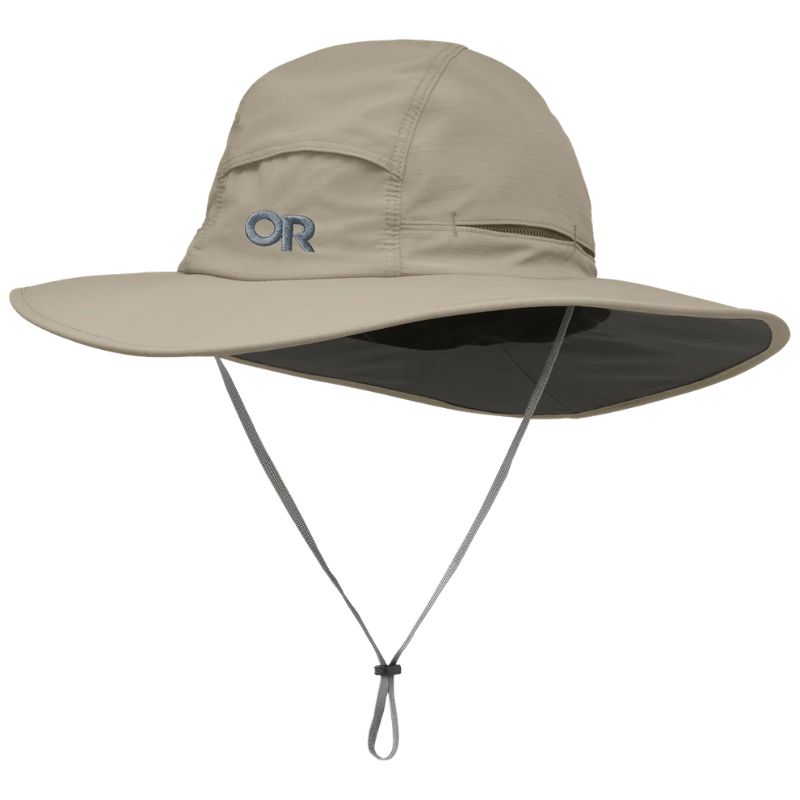
Weight: 3.1 oz / 88 grams
Pros:
> Comfortable and Breathable
> Foam Brim allows the hat to float
> Dark Grey Underside reduces glare
Cons:
> Brim may lose shape after multiple washes
The Sombriolet is a lightweight full-brim sun hat that has been a trail staple for years. It covers face and neck, breathes well through mesh venting, and packs down softly into a pack.
It suits hikers who want simple, no-cape full-brim coverage at a moderate weight, and it has enough of a following that it stays on the list as a proven option.
The trade-off is that the soft brim can droop when wet or after long packing, but it recovers and the low weight keeps it appealing.
Trade-off: brim droop when wet versus light weight and reliable coverage.
Best for: hikers wanting a light, proven, cape-free full-brim sun hat.
Compare Prices:
More Hats for Hiking to Consider
- Patagonia P6 Logo LoPro Trucker Hat
- GearTop Navigator Safari Sun Hat
Hiking Hats Buyers Guide
Hiking Hats Buyers Guide

Types of Hiking Hats
The type of hat you choose shapes how much protection, ventilation, and packability you get. The most protective option for hiking is the sun hat with a legionnaire cape, sometimes called a Sun Runner style: a wide front brim plus a UPF cape that covers the back and sides of the neck. These are the hats I reach for in the desert and on high-exposure days, and the only real downsides are that the cape can trap heat and catch in the wind.
Next is the brimmer or 360-degree brim hat, which shades your face and neck in one piece and usually includes a chin cinch to hold it in gusts — the Tilley and Patagonia Quandary are good examples.
Boonie hats are a lighter, softer take on the brimmer, originally military designs, that pack down better but sag more when wet.
Bucket hats have a shorter downward brim; they are more stylish than functional and leave more of your face exposed, so they suit forest hiking or intermittent sun rather than full exposure.
Finally, ballcaps and trucker hats are the lightest and most breathable, but they only shade your face and leave your neck and ears fully exposed, so they demand sunscreen or a paired sun hoodie.
Choose based on how much sun you actually face: caped hats for the desert, brimmers and boonies for general trail, caps for shaded or fast-and-light days.
Brim Width and Coverage
Brim width is the single biggest factor in how much sun a hat keeps off you. Aim for at least 3 inches / 7.5 cm for genuine face and neck coverage; wider brims around 4 inches shade even more but can flop into your peripheral vision and catch the wind.
An all-around 360-degree brim protects your neck and ears as well as your face, which matters because the neck is where most hikers actually get burnt. If you choose a ballcap, accept that its front-only brim leaves the neck exposed and plan to cover it with sunscreen, a buff, or a hooded sun shirt.
For the most complete coverage without a huge brim, a cape-equipped hat like the Outdoor Research Sun Runner covers the skin a brim alone misses.
Material and Durability
Almost every hiking hat worth carrying is made from synthetic nylon and polyester, often with a touch of elastane for stretch and fit. These fabrics are lightweight, quick-drying, and offer good UV resistance, which is exactly what you want after a river crossing or a sweaty climb.
Cotton soaks up water and stays wet; leather is heavy and doesn’t breathe; straw isn’t durable or packable — none belong in a serious backpacking kit. You’ll also notice many hats use a dark grey underside to the brim to cut glare reflecting up onto your face.
Durability is a real consideration because hats take a beating: sweat, sunscreen, insect repellent, and the inevitable low branch all wear them down.
If you’re anything like me you’ve lost count of how many times you’ve knocked a hat on a branch, so I treat sun hats as items that need replacing every few seasons rather than lasting forever.
Ventilation and Breathability
There is nothing worse than a hat that turns into a sweatbox on a climb. Ventilation and breathability work together: mesh panels in the crown dump built-up heat, while breathable fabric lets sweat evaporate. Some hats simply add eyelets or vents at the top of the crown to move air.
The trade-off is that mesh panels can let more UV through, so the most breathable hats aren’t always the most protective. On hot, humid trail, prioritise airflow through the crown — it does more for comfort than almost anything else — and accept that a fully solid, maximum-UPF hat will run a little warmer.
Sun Protection and UPF Rating
UPF stands for Ultraviolet Protection Factor and measures how much UV a fabric lets reach your skin. According to the Skin Cancer Foundation, a UPF 50 fabric blocks about 98% of UV, letting only 2% through.
Look for UPF 50+ on any hat you’ll wear for full days, and remember that loosely woven mesh panels can still let UV through even on a highly rated hat — worth keeping in mind if your hair is thin on top.
A counter-intuitive point on colour: darker hats absorb more UV and can protect skin better, while lighter colours reflect more sunlight and can feel cooler on your head. For maximum protection choose dark; for maximum comfort in extreme heat, lighter can help.
Ear and Neck Coverage (Legionnaire Capes)
The first time I wore a hat with a removable ear and neck cape I felt very unstylish — and then I hiked all day in a hot desert and finished cool and unburnt. That sold me. A legionnaire cape covers exactly the skin a brim alone misses: the back and sides of the neck and the ears.
The best capes use light, breathable UPF fabric and can be removed when you don’t need them. If you hike in the desert or on long exposed traverses, I strongly recommend a hat with this feature.
The only trade-offs are a little trapped heat at the neck and a cape that can drift in the wind, both minor next to a sunburnt neck at the end of a long day.

Weight and Packability
You won’t wear your hat every minute on trail, so how it behaves in your pack matters. Ultralight sun hats and running caps weigh as little as 1.5 oz / 43 g; even the heaviest brimmed hats here stay under 4.1 oz / 116 g.
Packability comes down to the brim: soft brims fold flat and slide into a hip-belt pocket, then spring back into shape, while rigid brims hold their form better but need to ride on your head or clip to the outside of your pack.
The Sunday Afternoons Ultra Adventure has a centre brim seam so it folds in half neatly, and the Buff Explore Booney is about as packable as a full-brim hat gets. If you’re constantly switching between a hat and a hood, prioritise a hat that packs small and recovers its shape.

Fit, Size, and Chin Straps
A hat that doesn’t fit gets left in the pack. Measure around the widest part of your head, just above the eyebrows, and check the manufacturer’s size guide rather than guessing.
Many hiking hats are one-size with adjustability — a crown bungee or a rear strap — to dial in a snug fit, and if you’re between sizes those adjustments are what save you.
A chin strap or drawcord is genuinely useful: it keeps the hat on your head in strong wind and on exposed ridges.
Hikers with smaller heads often struggle with one-size hats that slip, which is why a properly sized option like the North Face Horizon Breeze Brimmer is worth seeking out.
Waterproof Hats for Backpacking and Hiking
Waterproof hats are a niche but occasionally essential category. Their job is to keep rain off your head and, with a wide brim, off your neck and shoulders too. Used with a good lightweight rain jacket, a rain hat keeps you far drier than a hood alone and preserves your peripheral vision.
The catch is that waterproof fabric doesn’t breathe, so a rain hat runs hot and is a poor choice for summer sun — it is strictly a shoulder-season and sustained-rain tool. They’re also heavier and less packable than sun hats.
If you mostly hike in intermittent showers, a quick-drying synthetic sun hat with a brim will shed light rain and dry fast, which is enough for many hikers.
Price and Value
You do not need to spend a fortune on a hiking hat. Every hat I recommend costs under $100, and many of the best sit around $30 to $60. A budget hat like the GearTop or Columbia Bora Bora delivers honest coverage for around $20 to $30, while premium picks like the Tilley, Solbari, or Patagonia justify their price with better fabric, durability, and fit.
Because hats wear out faster than most gear — sweat, sunscreen, and branches take their toll — I factor in that I’ll replace mine every few seasons. For most hikers, a mid-priced hat around $40 to $60 is the sweet spot for coverage, breathability, and durability without overspending.
Conclusion
The best sun hats for hiking 2026 are:
- Best Overall: Sunday Afternoons Ultra Adventure Hat
- Best Ultralight: Headsweats Running Hat
- Best Wide Brim: Tilley LTM6 Broad Brim Hat
- Best Full Sun Protection: Outdoor Research Sun Runner
- Best Hiking Cap: Outdoor Research Swift Cap
- Best Waterproof: Outdoor Research Seattle Rain Hat
- Best for Small Heads: The North Face Horizon Breeze Brimmer
- Best Premium All-Rounder: Patagonia Quandary Brimmer
- Best Budget Hiking Sun Hat: Columbia Bora Bora Booney II Hat
- Most Stylish / Trail-to-Town: REI Sahara Guide Hat
- Sunday Afternoons Adventure Hat
- Outdoor Research Sombriolet
Follow along on Social Media
Frequently Asked Questions
What is the best sun hat for hiking?
For most hikers my top overall pick is the Sunday Afternoons Ultra Adventure Hat, because it balances wide-brim coverage, a breathable mesh crown, a stowable cape, and genuine packability. If you want the lightest option, the Headsweats Running Hat is my personal choice after 5000+ miles on the CDT and AT.
Do I really need a wide-brimmed hat, or will a ballcap do?
A ballcap shades your face but leaves your neck and ears exposed, which is where most hikers get burnt. For full days in the sun, a wide-brimmed or caped hat is far better. A cap is fine for shaded, forested, or fast-and-light hikes, especially if you pair it with a sun hoodie or sunscreen.
What UPF rating should a hiking hat have?
Aim for UPF 50+, which blocks about 98% of UV according to the Skin Cancer Foundation. Keep in mind that mesh vent panels can still let some UV through even on a highly rated hat, so if your scalp is exposed, choose a hat with a solid, densely woven crown.
Are waterproof hats worth it for hiking?
Only if you hike in sustained rain or cool, wet shoulder seasons. Waterproof fabric doesn’t breathe, so a rain hat runs hot in summer. For intermittent showers, a quick-drying synthetic sun hat with a brim will shed light rain and dry fast, which is enough for most trips.
How do I stop my hat from smelling on a long backpacking trip?
Stick with synthetic hats for faster drying, rinse the hat in a water source when you can, and massage the sweatband to break up trapped sweat. Let it dry in the sun rather than storing it damp. A buff worn underneath can absorb sweat before it reaches the hat.
What colour sun hat is best?
Darker colours absorb more UV and can protect your skin slightly better, while lighter colours reflect sunlight and can feel cooler on your head. If maximum protection is the goal, go dark; if you’re hiking in extreme heat and want to stay cooler, a lighter colour can help.

BikeHikeSafari Gear Review Process
The author, Brad McCartney from BikeHikeSafari is a small independent adventurer and outdoor gear tester who owns and runs BikeHikeSafari.com.
BikeHikeSafari is not part of a large blog network and is proudly independent. All reviews on this site are independent and honest gear reviews of outdoor products by the author.
The author, Brad McCartney is a very experienced triple crown thru-hiker, adventurer, and bike tourer having spent 1000s of nights sleeping in a tent and sleeping bag (Read more). He was a manager of an outdoor retail store and is very experienced in what is important when using and testing gear for reviews like this.
BikeHikeSafari will never receive any money for reviews and they do not accept sponsored reviews on this website. All the comments about the gear reviews are from the author based on his years of experience. Hope this independent review was helpful for you.

