

After 1,000+ nights on a sleeping pad across the Continental Divide Trail, the Appalachian Trail, the Te Araroa, and a bike tour from the top of North America to South America, I have a clear view of what works for thru-hiking and what doesn’t.
This guide is for ultralight backpackers, thru-hikers, and bikepackers who care about R-value-to-weight, packed size, and a quiet pad, not casual car campers looking for a 4-inch base-camp mattress. My current pick for most thru-hikers is the Therm-a-Rest NeoAir XLite NXT, with the Nemo Tensor Trail as the more comfortable runner-up and the NEMO Tensor Elite for serious gram counters.
I have spent more than 500 nights on the Tensor line alone, more than that on the NeoAir line. I have used pads in every climate from desert to alpine to subzero high-altitude. The trade-off you actually care about for this category is R-value per ounce, get that right and the rest sorts itself out.
Quick Picks – Best Sleeping Pads at a Glance
- Best Overall: Therm-a-Rest NeoAir XLite NXT – 13 oz, R-4.5, 3″ thick. The pad I would hand to most thru-hikers, end of conversation.
- Best Ultralight Sub-9 oz: NEMO Tensor Elite Ultralight Insulated – 8.5 oz, R-2.4, 3″ thick. The lightest real inflatable on the market, replaces the discontinued Therm-a-Rest Uberlite.
- Best Lightweight Sleeping Pad: Nemo Tensor Trail Ultralight Insulated – 13 oz, R-2.8, 3.5″ thick. Quieter and thicker than the XLite and my pick for warm-weather thru-hikes.
- Most Comfortable for Side Sleepers: Sea to Summit Ether Light XR Insulated – 17.3 oz, R-3.2, 4″ thick. The best side-sleeper inflatable I have used.
- Best Winter Pad: Therm-a-Rest NeoAir XTherm NXT – 15.5 oz, R-7.3, 3″ thick. The pad for the Andes and Himalayas.
- Best All-Season: NEMO Tensor All-Season Ultralight Insulated – 14.1 oz, R-5.4, 3.5″ thick. One pad that actually covers summer through mild winter.
- Best Extreme Cold Pad: Nemo Tensor Extreme Ultralight Insulated – 17 oz, R-8.5, 3.5″ thick. Mountaineering and arctic.
- Best Budget Foam: Therm-a-Rest Z Lite Sol – 14 oz, R-2.0, 0.75″ thick. Around $35, indestructible, the foam pad most thru-hikers know.
- Best Budget Inflatable: Sea to Summit Ultralight XR – Around $150 for a comfortable inflatable sleeping pad with an R-3.6 rating.
- Lightest Foam Pad: Gossamer Gear ThinLight – 2.7 oz, R-0.5, 1/8″ thick. Slip it under an ultralight inflatable to add warmth and puncture protection.
How We Tested
The sleeping pads in this guide are researched and where possible field-tested by an experienced long-distance hiker and former outdoor store manager. Across thru-hikes, shoulder-season trips, and bikepacking expeditions, including the Continental Divide Trail, the Appalachian Trail, the Te Araroa, and a bike tour from the top of North America to South America. I judge sleeping pads on R-value, weight, comfort against the body for side and back sleepers, packed size, baffle and pump-sack design, valve quality, shell-fabric durability, and how quiet the pad is when you roll over at night.
I have spent more than 500 nights on the NEMO Tensor line and more than 500 nights on the Therm-a-Rest NeoAir line. Some of the sleeping pads were supplied by the manufacturer and some were purchased by the author for this review. For more on how we research and review gear, see the Review Policy.
Sleeping Pad Comparison Table
| Brand | Weight | Thickness | R-Value | Type |
|---|---|---|---|---|
| Therm-a-Rest Neoair Xlite NXT | 13 oz | 3 in. | 4.5 | Inflatable |
| Nemo Tensor Elite Ultralight Insulated Pad | 8.5 oz | 3 in. | 2.4 | Inflatable |
| Nemo Tensor Trail Ultralight Insulated | 13 oz | 3.5 in. | 2.8 | Inflatable |
| Sea to Summit Ether Lite XR Insulated | 17.3 oz | 4 in. | 3.2 | Inflatable |
| Therm-a-Rest Neoair X-Therm NXT | 15.5 oz | 3 in. | 7.3 | Inflatable |
| Nemo Tensor All-Season Insulated | 14.1 oz | 3.5 in. | 5.4 | Inflatable |
| Nemo Tensor Extreme Ultralight Insulated | 1lb 1.1 oz | 3.5 in. | 8.5 | Inflatable |
| Z Lite Sol | 14 oz | 0.75 in. | 2 | Foam |
| Sea to Summit Ultralight XR | 14.6 oz | 2.6 in. | 3.6 | Inflatable |
| Gossamer Gear ThinLight | 2.7 oz | 1/8 in. | 0.5 | Foam |
Best Backpacking Sleeping Pads – Reviewed
Best Sleeping Pad Overall
Therm-a-Rest Neoair Xlite NXT Sleeping Pad

Weight: 13 oz / 370 grams (regular)
R-Value: 4.5
Temperature Rating: (5F / -15C)
Thickness: 3 in / 7.6 cm
Shell fabric: 30D nylon top and bottom
Sizes: Regular Short, Regular, Regular Wide, Large
Valve: WingLock one-way valve
Pump sack: included
Pros:
> Quiet
> Lightweight
> Good thermal insulation
> Small pack size
Cons:
> A premium product at a premium price
The NeoAir XLite NXT is the pad I would hand to most thru-hikers and tell them to stop reading the rest of the reviews. The 2023 NXT update fixed the two complaints people had about the older Xlite, the crinkle and the inflation time, without giving up the warmth-to-weight ratio that made the line famous. I tested both the older version and this new version long term and value this update so much that the Neoair stays at the top of the list. At 13 oz with an R-value of 4.5 and 3″ of loft, it is still one of the rare pads that genuinely covers the full thru-hiking season in one piece of gear.
It suits three-season thru-hikes, shoulder-season trips down to about 20°F, and any trip where pack weight is a real constraint. For winter or high-altitude work, step up to the XTherm NXT.
Trade-off: Side sleepers who have struggled with horizontal-baffle pads will sleep better on a NEMO Tensor Trail or the thicker dimpled Sea to Summit Ether Light XR.
Best for: ultralight thru-hikers and three-season backpackers who want one pad that does almost everything.
Compare Prices:
Best Ultralight Sleeping Pad
Nemo Tensor Elite Ultralight Insulated Pad

Weight: 8.5 oz / 240 grams (regular)
R-Value: 2.4
Temperature Rating: (34F / 1C)
Thickness: 3 in / 7.6 cm
Shell fabric: 10D Cordura nylon top and bottom
Sizes: Regular Mummy, Short Mummy
Valve: zero-profile with dump valve
Pump sack: 0.3 oz pump sack included
Pros:
> Quiet
> Ultra Lightweight
> Comfortable
> Very small pack size
Cons:
> Not rated for cold weather
> Thin material requires careful choice of campsite
The Tensor Elite fills the ultralight vacuum left when Therm-a-Rest discontinued the Uberlite. At 8.5 oz it is the lightest real inflatable pad on the market, with a usable R-value of 2.4 and a comfortable 3″ loft. The dimpled baffles still spread pressure well, the pump sack inflates it in under a minute, and the packed size is genuinely smaller than a 1L Nalgene.
It suits summer ultralight thru-hikes, fastpacking, and FKT attempts where every gram matters. This is not the sleeping pad to take on the notoriously cold CDT. The 10D Cordura is much thinner than the rest of the Tensor line, so campsite selection actually matters with this pad. I use it the same way I used the Uberlite, with a deliberate sweep for spiky objects before laying it down.
Trade-off: 10D shell needs care, R-2.4 is summer-only. Pair it with a Gossamer Gear ThinLight underneath if you want a buffer.
Best for: gram-counting summer thru-hikers and fastpackers who already have ultralight sleeping bag and ultralight backpack and build their kits around minimum weight.
Compare Prices:
Best Lightweight Sleeping Pad
Nemo Tensor Trail Ultralight Insulated Sleeping Pad

Weight: 13.9 oz / 395 grams
R-Value: 2.8
Temperature Rating: (28F / -2C)
Thickness: 3.5 in / 9 cm
Shell fabric: 20D top / 40D bottom
Sizes: Regular, Regular Mummy, Regular Wide, Long Wide
Valve: zero-profile multifunction with dump valve
Pump sack: Vortex pump sack included
Pros:
> Silence when rolling over
> Great warranty
> Small pack size
> Very comfortable
> Great for Side Sleepers
Cons:
> Slightly heavier than similar spec pads
The Tensor Trail is the warm-weather thru-hiking pad I reach for first. I have spent more than 500 nights on the Tensor line, across the CDT, AT, and a bike tour from Bike Touring North and South America.. The updated Trail version is the most comfortable Tensor yet. It is half an inch thicker than the NeoAir XLite NXT, noticeably quieter, and the dimpled cell baffles spread side-sleeper pressure better than horizontal baffles.
It suits summer thru-hikes and shoulder-season trips above freezing. For temperatures below freezing, step up to the All-Season or Extreme.
Trade-off: the R-value is 2.8, which is the lowest of the insulated Tensors. If you sleep cold or shoulder-season trips matter to you, the All-Season at 14.1 oz / R-5.4 is a smarter buy.
Best for: warm-weather thru-hikers who want the most comfortable lightweight pad on the market.
Compare Prices:
Most Comfortable Best Sleeping Pad for Side Sleepers
Sea to Summit Ether light XR Insulated Review
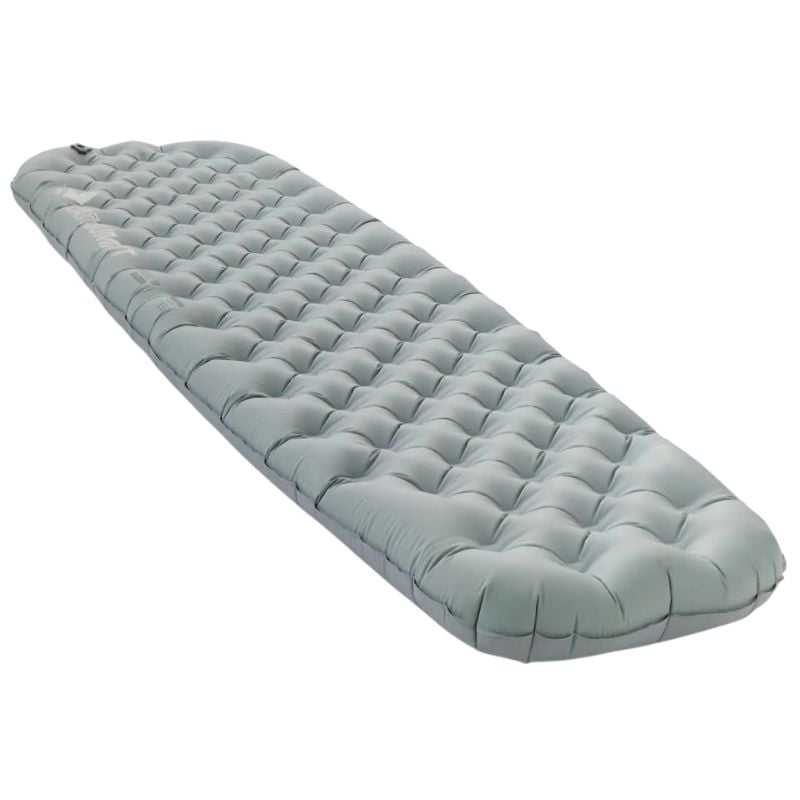
Weight: 18.5 oz / 525 grams
R-Value: 4.1
Temperature Rating: (10F / -12C)
Thickness: 4 in / 10 cm
Shell fabric: 30D / 40D nylon
Valve: dual flat multi-function valve
Pump sack: included, doubles as stuff sack
Pillow attachment: PillowLock
Pros:
> Thick mattress which is great for side sleepers
> Well Insulated
> Very comfortable
> Quiet when you roll over during the night
Cons:
> A little heavy
For side sleepers who do not want to mess with hybrid systems or stack pads, the Ether Light XT Insulated is still the most comfortable inflatable I have lay down on. The 4″ loft is a full inch thicker than the NeoAir XLite NXT and the air-sprung cell baffles spread hip and shoulder pressure better than any horizontal-baffle pad on the market.
It suits summer and shoulder-season hiking, especially for side sleepers who have been beaten up by thinner pads. The Pillowlock system allows STS Backpacking Pillows to be attached to the mat.
Trade-off: 18.5 oz is heavy for an ultralight page. R-4.1 is enough for 3 seasons but not real winter, for that go to an XTherm NXT or Tensor All-Season.
Best for: side-sleeping backpackers who care about comfort more than extra 4 oz of pack weight.
Compare Prices:
Best Winter Sleeping Pad
Therma-Rest NeoAir X-Therm NXT Review

Weight: 15.5 oz / 439 grams
R-Value: 7.3
Temperature rating: (-32F / -36C)
Thickness: 3 in / 7.6 cm
Shell fabric: 30D top / 70D bottom
Sizes: Regular, Regular Wide, Large
Valve: WingLock one-way valve
Pump sack: included
Pros:
> Great warmth-to-weight ratio
> Great warranty
> Small pack size
> Reasonably priced considering the quality
Cons:
> The extra insulation is a waste of weight and money if not hiking in colder temperatures.
The XTherm NXT is the pad I take into the Andes, the Himalayas, and any trip where the ground might be frozen. R-7.3 at 15.5 oz is one of the best warmth-to-weight numbers on the market for a 4-season pad, and the 70D nylon bottom is the most puncture-resistant inflatable in this guide. I have used the previous model on rough alpine ground without thinking about it, this updated model is so much tougher.
Trade-off: the same horizontal-baffle feel as the XLite NXT, slightly more crinkle than the Tensor line, and slower inflation than the NEMO Vortex pump sack.
Best for: cold sleepers, winter backpackers, alpinists, and high-altitude trekkers.
Compare Prices:
Best All Season Sleeping Pad
Nemo Tensor All-Season Ultralight Insulated Sleeping Pad

Weight: 14.1 oz / 400 grams
R-Value: 5.4
Temperature Rating: (-4F/-20C)
Thickness: 3.5 in / 9 cm
Shell fabric: 20D top / 40D bottom
Sizes: Regular, Regular Mummy, Regular Wide, Long Wide
Valve: zero-profile with dump valve
Pump sack: Vortex pump sack included
Pros:
> Comfortable and Quiet
> Good 4 season sleeping Pad
> Comes with a stuff sack that is used to inflate the mat
Cons:
> Slightly heavier than similar models
The Tensor All-Season is the smartest single-pad buy if you want one pad to cover the year. R-5.4 is enough for everything down to about -4°F when paired with the right sleeping bag, and it is only an ounce heavier than the Trail. The cell baffles, low-profile valve, and Vortex pump sack are the same as the Trail.
It suits backpackers who do not want to own two pads. For me the XLite NXT still wins on grams, but the All-Season is the better year-round pick and certainly the best sleeping pad for the CDT which is colder than many other trails.
Trade-off: more weight than the Neoair NXT and Tensor Trail Ultralight.
Best for: one-pad-to-rule-them-all backpackers who want summer through mild winter coverage.
Compare Prices:
Best Extreme Cold Sleeping Pad
Nemo Tensor Extreme Ultralight Insulated Sleeping Pad

Weight: 17 oz / 472 grams
R-Value: 8.5
Temperature Rating: (-40F/-40C)
Thickness: 3.5 in / 9 cm
Shell fabric: 20D top / 40D bottom
Sizes: Regular Mummy, Regular, Wide Regular, Wide Long
Valve: zero-profile with dump valve
Pump sack: Vortex pump sack included
Pros:
> Incredible Insulation
> Good Winter and Arctic use mattress
> Comes with a stuff sack that is used to inflate the mat
Cons:
> A bit heavy for summer backpacking
For the coldest weather you will ever sleep in, the Tensor Extreme is the warmest ultralight pad on the market at R-8.5, which is rated to about -40°F. The Apex baffle system layers four sheets of thermal mirror film over trapezoidal trusses, which is genuinely innovative engineering, and the 3.5″ loft and dimpled top are still comfortable for side sleepers.
It suits arctic expeditions, high-altitude mountaineering in the Andes and Himalayas, and ice climbing camps and adventurers who already have a quality 4 season Winter Tent.
Trade-off: niche product, expensive, and overkill for anything above freezing, for most cold-weather backpacking the XTherm NXT at 15.5 oz / R-7.3 is the smarter buy.
Best for: serious cold-weather expeditions and cold sleepers who actually need R-8+.
Compare Prices:
Best Budget Sleeping Pad
Therm-a-Rest Z lite Sol Review

Weight: 14 oz / 410 grams
R-Value: 2
Temperature Rating: (34F / 1C)
Thickness: 0.75 in / 2 cm
Material: closed-cell foam with reflective ThermaCapture
Sizes: Small, Regular
Pack style: accordion fold
Pros:
> Lightweight
> Cheap
> Good insulation in cold
> No punctures when sleeping near cactus or other spiny plants
Cons:
> Bulky packed size
> Uncomfortable for most people
The Z Lite Sol is still the cheapest way to get a usable pad on a thru-hike, around $35–$50 depending on sales. It is slightly thinner and slightly less comfortable than the NEMO Switchback for the same weight, but the price gap closes the deal for a lot of new thru-hikers, and the accordion fold survives years of trail abuse.
It suits cactus-country thru-hikes (PCT desert section, Arizona Trail), thru-hikers who never want to deal with a leak, and anyone who uses a pad as a sit pad at lunch breaks.
Trade-off: foam is foam, even 0.75″ of it is uncomfortable for side sleepers, the packed size is huge, and the R-2.0 means it is summer-only as a standalone.
Best for: budget-conscious thru-hikers and as a backup pad.
Compare Prices:
Best Budget Inflatable Sleeping Pad
Sea to Summit Ultralight XR

Weight: 14.6 oz / 415 grams
R-Value: 3.6
Temperature Rating: (18F/-8C)
Thickness: 2.6 in / 6.6 cm
Shell fabric: 30D top / 40D bottom
Sizes: Small, Regular, Large
Valve: dual flat valve
Pump sack: included, doubles as stuff sack
Pros:
> Lightweight
> Reasonably priced
> Comes with a stuff sack that is used to inflate the mat
Cons:
> Not as thick as most other sleeping mats
The Ultralight XR Insulated is the value pick on this page. R-3.6 at 14.6 oz for around $150 is genuinely good. It is one of the best value insulated air pads on the market, and the dual flat valve is the easiest one to use in the dark.
Trade-off: 2.6″ thickness means side sleepers can bottom out on uneven ground. R-3.6 is enough for most three-season backpacking but not winter.
Best for: backpackers who want a usable insulated air pad without spending $200+.
Compare Prices:
Lightest Foam Pad
Gossamer Gear ThinLight Review
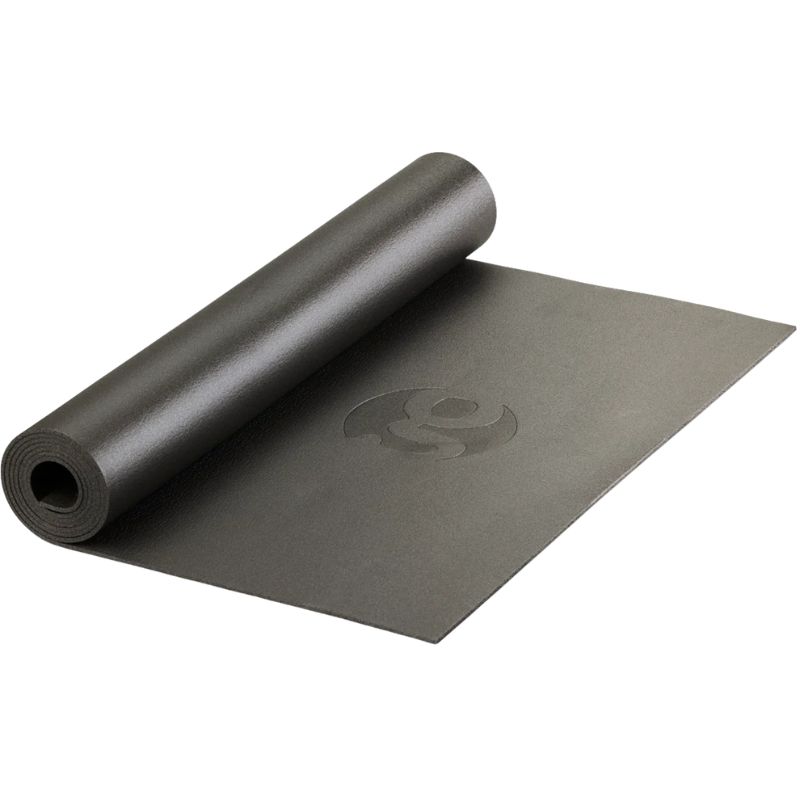
Weight: 2.7 oz / 75 grams
R-Value: 0.5
Thickness: 1/8 in
Material: closed-cell EVA foam
Sizes: Short (rolled), Regular (folded)
Pros:
> Great as an extra mat in deserts with spiky thorns
> Easy to use
> Durable
> Ultralight
Cons:
> Not comfortable
> Price
The Gossamer Gear ThinLight is not a standalone pad, anyone planning to use it as such is tougher than me. It is the supplemental piece I add under a Tensor Elite or NeoAir XLite NXT to bump up R-value, protect a thin shell from desert ground, or use as a sit pad at camp. At 2.7 oz it adds basically no weight to a thru-hike kit and you can trim it to torso-length to save more.
Best for: ultralight thru-hikers and fastpackers who want puncture protection and a marginal warmth boost under a delicate inflatable, plus anyone who values a sit pad at lunch.
Compare Prices:
Other Mats to Consider
- Nemo Switchback: The Nemo Switchback is a lightweight foam mat that is also very good and reasonably priced, yet to be tested.
- Therm-a-rest Prolite Plus: The Therm-a-rest Prolite Plus is a self-inflating mat. I used this mat for years and years, in fact, I started hiking the Pacific Crest Trail carrying this mat before opting for something lighter and more comfortable.

Sleeping Pad Buyers Guide
Buyers Guide – Ultralight Sleeping Pads

Inflatable vs Foam vs Self-Inflating
Inflatable pads (NeoAir XLite NXT, Tensor Trail) are the lightest, smallest packed, most comfortable, and most expensive. They can leak. Foam pads (NEMO Switchback, Z Lite Sol) are the cheapest, the most durable, and the bulkiest; they will never leak but they are not comfortable for most side sleepers. Self-inflating pads (Therm-a-Rest ProLite Plus) are mostly obsolete for thru-hiking, they are heavy and bulky for the warmth they deliver.
For a thru-hike I run an inflatable. For a desert thru-hike where punctures are a real risk I sometimes pair an ultralight inflatable with a Gossamer Gear ThinLight underneath.

Sleeping Position
Side sleepers need thickness — 3.5″ minimum, 4″ or more is better. Look at the Ether Light XT Insulated, Big Agnes Rapide SL Insulated, NEMO Tensor Trail, or NeoLoft for short trips. Avoid pads under 2.6″ thick if you are a serious side sleeper.
Back sleepers can sleep on almost anything. The XLite NXT, Tensor Trail, and even foam pads work fine.
Stomach sleepers do well on flat-baffle pads like the NeoAir line.
Rotisserie sleepers (people who roll all night) benefit from raised side rails — the Big Agnes Rapide SL or NeoLoft are built for this.

R-Value and the ASTM F3340 Test
R-value measures how well a pad blocks cold conducting from the ground into your body. The ASTM F3340 test, adopted in 2020, made R-values comparable across brands for the first time. Use this chart as a rough temperature guide:

These are rough numbers, your sleeping bag, clothing, ground type, and personal cold tolerance matter as much as the pad’s R-value. Cold sleepers should add 1.0 R to whatever the chart says.
The video below by Exped explains what the R-Value is and how it refers to sleeping mats in a detailed yet informative way.
Weight, Thickness, and Packed Size
For thru-hiking I like to draw a hard line at 16 oz for a standalone pad. The XLite NXT (13 oz), Tensor Trail (13 oz), and Tensor Elite (8.5 oz) all clear this easily. Anything over 16 oz needs to earn its place, the NeoLoft (25.3 oz) is too heavy for a thru-hike but acceptable for short trips; the Tensor All-Season (14.1 oz) is a good year-round compromise.
Packed size matters more than the spec sheet suggests. A 1L Nalgene volume is the rough benchmark, most quality inflatables hit it.

Baffle Direction – Horizontal, Vertical, Cell, Side Rails
Horizontal baffles (NeoAir line) are light and warm but feel like sleeping on a corduroy surfboard. Vertical baffles (Big Agnes Divide, Exped Ultra) divide opinion. Cell or dimpled baffles (NEMO Tensor, Sea to Summit Ether Light) spread hip and shoulder pressure better and are quieter. Side rails (Big Agnes Rapide SL, NeoLoft) keep restless sleepers on the pad.

Pump Sacks, Valves, and Inflation
A pump sack is no longer optional — every quality pad now includes one. NEMO’s Vortex pump sack is the fastest and the easiest to use; Sea to Summit’s flat valve is the easiest to fine-tune in the dark. Therm-a-Rest’s WingLock valve is reliable but slower. Skip mouth inflation if you can — humid breath inside a pad shortens its life.
Shell Fabric, Denier, and Durability
10D shells (Tensor Elite) save weight at the cost of needing careful campsite selection. 20D shells (Tensor All-Season top, Exped Ultra both sides) are the standard for ultralight pads. 30D shells (NeoAir XLite NXT) are the durability-weight sweet spot. 40D and 70D bottoms (Tensor All-Season bottom, NeoAir XTherm bottom) are what you want under you on rough or frozen ground.

Warranty
The big three, Therm-a-Rest, NEMO, and Sea to Summit, all stand behind their warranties. I have had pads replaced under warranty and dealt with all these companies in the past and recommend their customer service.

Sleeping Pad and Quilt System
The combination most thru-hikers run is an ultralight insulated pad plus a 20°F quilt. That gives a sub-2 lb sleep system that handles three-season conditions. My typical setup is the XLite NXT or Tensor Trail with a 20°F down quilt, total weight under 1 lb 12 oz.
Sleeping Pad Care Instructions
How to Look After Ultralight Sleeping Pads
- Prevent dirt and body oils from coming in contact with the mattress by using sleep clothing such as long merino pants and a long merino top. Some people use a sleeping bag liner too.
- Do not allow Deet mosquito repellent, fuel from stoves, or embers from a campfire to get anywhere near a mattress. Wash them off immediately.
- If campfire embers contact your mattress, you might have an uncomfortable night’s sleep with the backpacking air mats deflating!
- A wet sleeping mattress can be packed up while wet for the short term. It is not always possible to keep the mattress dry. Be sure and air it out (with the valve open) as soon as possible.
- Ensure the campsite is free of thorns or sharp objects that might puncture the air mattress.
How to clean and store a Sleeping Mat
- It is also a good idea to wash the mattress with a sponge and warm soapy water.
- Make sure the air valve is closed when washing.
- Unroll and unpack the mattress and let it air out for at least a day or two.
- Hang or store the mattress in a cool dry place, inside a wardrobe with clothing, or under a bed works well for me.
How to repair a mattress in the field
- Finding the hole can be a problem. Rivers and lakes are the best places to blow up the mattress and try to find the hole.
- Clean the area around the hole. A small alcohol wipe found in first aid kits is good for cleaning the area. When it is clean and dry, use a small sticky contact patch such as a Tenacious Tape Patch.
- A small drop of liquid seam sealer can be used to repair very small leaks but not larger holes. Make sure it is a silicon-based seam sealer such as this Silicon Seam Sealer.
PRO TIP
Ever slept on a slope and woken up to find the mattress slipped overnight and pressed against the bottom of the tent?
Add Silicon Seam Sealer on the bottom of your air mattress to stop it from slipping and sliding around in your tent at night, especially if your tent is pitched on a slope. But only use a silicon-based sealer, not the water-based one.
Price and Value
All the best air mats in this review are top quality and will last a very long time. Hundreds or even thousands of nights can be expected if you care for your mat. Therefore, they represent good value for money even when the initial outlay may seem a bit high. Around the $200 mark and lower is the price you will pay for the best.
Conclusion
The Best Backpacking Sleeping Pads for 2026 are:
- Best Sleeping Pad Overall: Therm-a-Rest Neoair Xlite NXT
- Best Ultralight Sleeping: Nemo Tensor Elite Ultralight Insulated Pad
- Best Lightweight Sleeping Pad: Nemo Tensor Trail Ultralight Insulated Sleeping Pad
- Most Comfortable Sleeping Pad for Side Sleepers: Sea to Summit Ether Light XT Insulated
- Best Winter Sleeping Mat: Thermarest Neoair X-Therm NXT
- Best Budget Sleeping Pad: Thermarest Z Lite Sol
- Nemo Tensor All-Season Ultralight Insulated Sleeping Pad
- Nemo Tensor Extreme Ultralight Insulated Sleeping Pad
- Sea to Summit Ultra Light
- Sea to Summit Ether Light XT
FAQs – Sleeping Pads for Backpacking
What is the best ultralight sleeping pad for backpacking?
For most thru-hikers and ultralight backpackers, the Therm-a-Rest NeoAir XLite NXT at 13 oz / R-4.5 is still the easiest one-buy answer — light, warm enough for three-season use, and durable across long miles. For the lightest possible pad, look at the NEMO Tensor Elite at 8.5 oz, but plan for careful campsite selection.
What R-value do I need for backpacking?
For three-season backpacking (spring through fall) aim for R-3.5 or higher. For shoulder season aim for R-4.5+. For real winter or high-altitude trips you want R-6.0 minimum, ideally R-7.0+. The Therm-a-Rest XLite NXT (R-4.5) covers most three-season trips; the XTherm NXT (R-7.3) handles winter; the Tensor Extreme (R-8.5) is for mountaineering and arctic.
Are inflatable sleeping pads comfortable for side sleepers?
The thinner inflatables (NeoAir XLite NXT at 3″) are not great for side sleepers because hips and shoulders bottom out. Look for 3.5″ or more (Tensor Trail, Tensor All-Season) or 4″+ (Sea to Summit Ether Light XT Insulated, NeoLoft) for genuine side-sleeper comfort.
How long does an inflatable sleeping pad last?
A quality inflatable from Therm-a-Rest, NEMO, or Sea to Summit will last 500–1,000+ trail nights with care. I have used Tensor and Neoair pads for more than 500 nights. The most common failure is internal delamination (a bubble appearing inside the pad), which all three brands cover under warranty.
Why does my pad feel cold even though it has a high R-value?
Three usual reasons: the pad has not been tested to the ASTM F3340 standard (most major brands now have, but some budget brands have not); your sleeping bag or quilt is not warm enough; or you are a cold sleeper who needs roughly 1.0 R higher than the chart suggests.
Can I use a foam pad for a thru-hike?
Yes, many thru-hikers do, especially on dry trails like the PCT desert section or the Arizona Trail. The NEMO Switchback and Therm-a-Rest Z Lite Sol both work. The trade-off is comfort for side sleepers and bulk on the outside of your pack. If you sleep cold or sleep on your side, an inflatable is a meaningfully better option.
How do I repair a punctured sleeping pad in the field?
First find the leak, a river or lake works best. Inflate the pad and listen or watch for bubbles. Clean the area around the hole with an alcohol wipe, let it dry, then apply a Tenacious Tape patch. For very small leaks a drop of silicon-based seam sealer works. Do not use a water-based seam sealer, it will not adhere to the pad’s TPU shell.


BikeHikeSafari Gear Review Process
The author, Brad McCartney from BikeHikeSafari is a small independent adventurer and outdoor gear tester who owns and runs BikeHikeSafari.com.
BikeHikeSafari is not part of a large blog network and is proudly independent. All reviews on this site are independent and honest gear reviews of outdoor products by the author.
The author, Brad McCartney is a very experienced triple crown thru-hiker, adventurer, and bike tourer having spent 1000s of nights sleeping in a tent and sleeping bag (Read more). He was a manager of an outdoor retail store and is very experienced in what is important when using and testing gear for reviews like this.
BikeHikeSafari will never receive any money for reviews and they do not accept sponsored reviews on this website. All the comments about the gear reviews are from the author based on his years of experience. Hope this independent review was helpful for you.

